

Navigating the financial markets can often feel like trying to predict the weather—sunny one moment, stormy the next. For traders in the UAE, India, and emerging markets, market volatility is a constant companion. But what if you didn't have to predict the perfect time to buy?
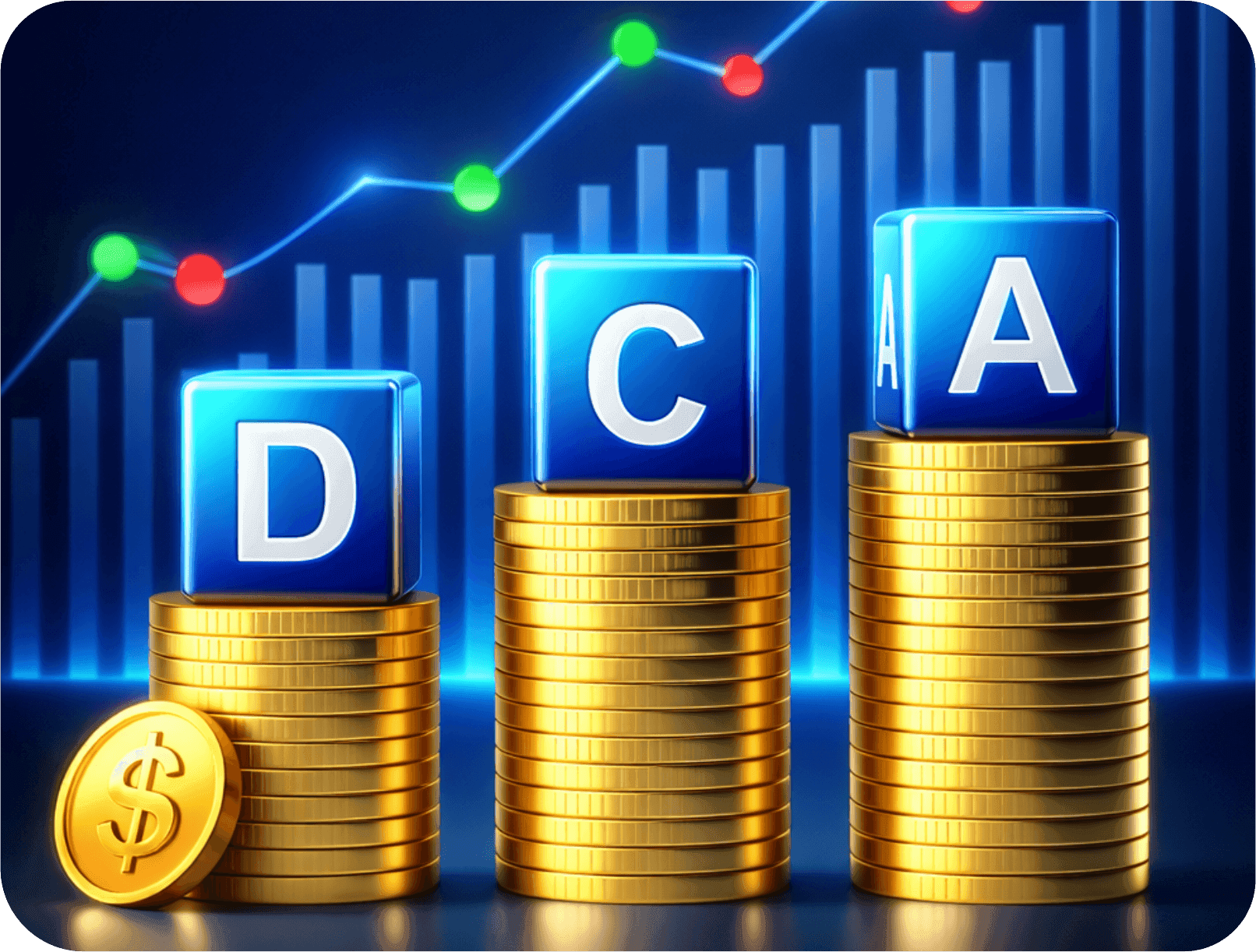
Dollar-Cost Averaging (DCA) is a strategy that removes the pressure of timing the market. Instead of investing a lump sum all at once, you spread your investment over regular intervals. This article breaks down how DCA works and why it remains a popular strategy for both beginner retail traders and seasoned investors seeking consistency.
1. Reduces the Impact of Market Volatility
One of the most significant challenges in trading is the emotional reaction to price swings. When markets dip, panic sets in; when they soar, fear of missing out (FOMO) takes over. DCA helps neutralise these emotional triggers.
By investing a fixed amount at regular intervals, you naturally buy more units when prices are low and fewer units when prices are high. This smooths out the average price per unit over time, reducing the risk of investing a large sum at a market peak. It transforms volatility from a threat into an opportunity to accumulate assets at varied price points.
2. Eliminates the Need to Time the Market
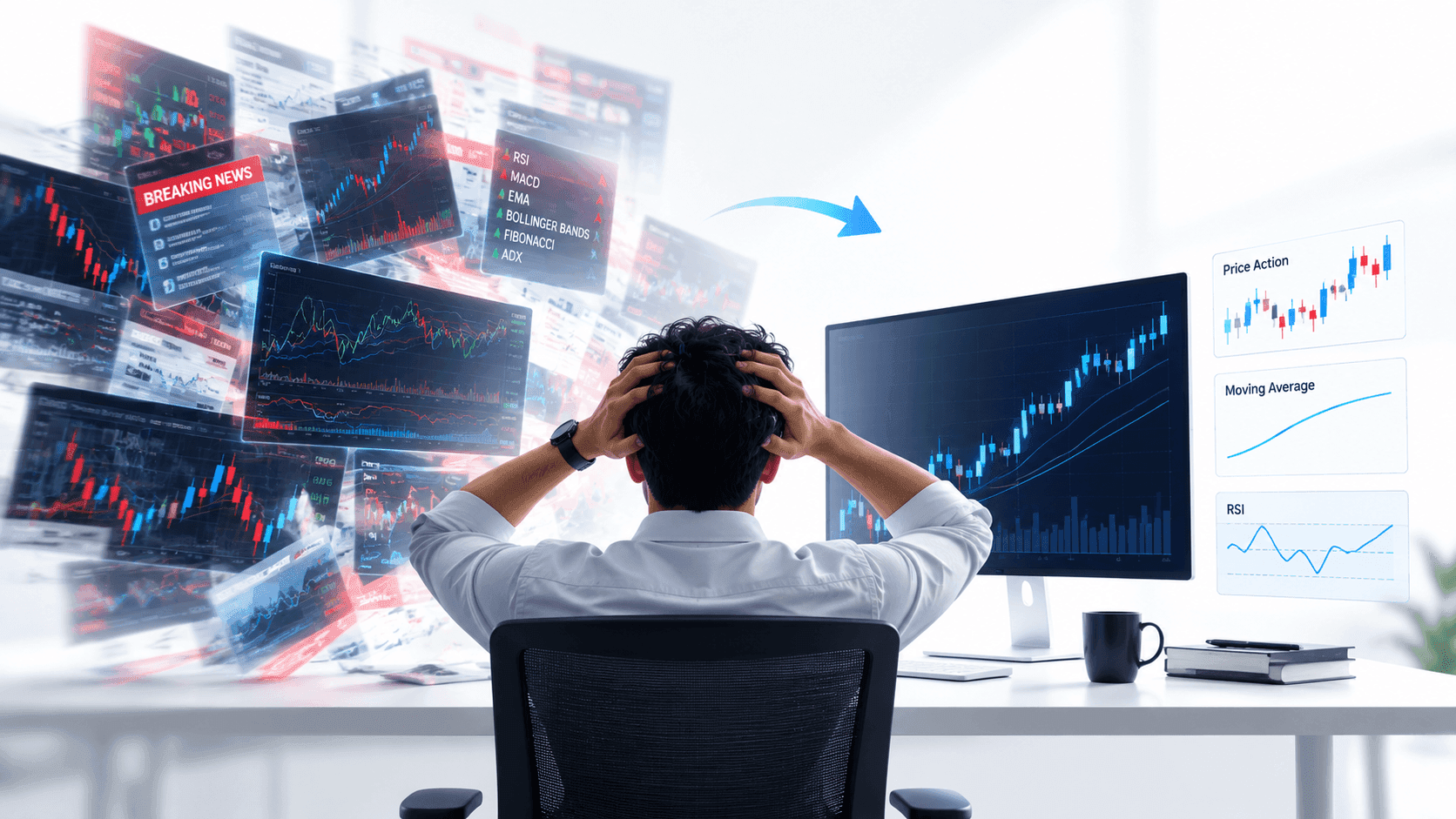
"Buy low, sell high" is the golden rule, but executing it consistently is notoriously difficult—even for professionals. Trying to pinpoint the exact bottom of a market dip or the peak of a rally is often a gamble. With DCA, you don't need to watch the charts 24/7 or stress over daily price movements. Whether the market is up or down on a specific Tuesday doesn't matter because you are playing the long game. This approach is particularly beneficial for those balancing trading with other professional commitments, allowing you to participate in global markets without the stress of constant monitoring.
3. Builds a Disciplined Trading Habit
Consistency is key to long-term financial success. DCA enforces discipline by turning investing into a routine rather than a sporadic event. Just as you might automate your utility bills or savings transfers, automating your trading contributions ensures you are consistently building your portfolio. This disciplined approach prevents you from hesitating during market downturns—often the best time to buy—and keeps you from overextending during euphoric market highs.
4. Understanding the Limitations: Not a Guaranteed Profit
While DCA is a powerful tool for risk management, it is crucial to understand that it does not guarantee a profit or protect against a decline in declining markets. If an asset's price continues to fall indefinitely, you will simply be buying more of a losing asset. Therefore, DCA works best when applied to assets with strong long-term fundamentals that you believe will appreciate over time. It is a strategy for accumulation, not a magic shield against poor investment choices.
5. The Risks of Leverage and Margin
When applying DCA, especially using instruments like CFDs (Contract for Differences), it is vital to be aware of leverage. While leverage can amplify gains, it also amplifies losses. If you are dollar-cost averaging into a leveraged position, a significant market move against you can lead to rapid capital loss, potentially exceeding your initial deposit. It is essential to manage your risk carefully, ensuring you have sufficient capital to cover potential margin calls.
In Summary
Dollar-Cost Averaging offers a structured path to navigating global markets, allowing you to build positions over time while mitigating the stress of short-term volatility. However, like all trading strategies, it requires informed decision-making and a clear understanding of the risks involved.
Ready to apply this strategy? Open an account with My Maa Markets today to access 275+ instruments and robust trading platforms designed to support your journey.
Risk Disclaimer: CFDs and Margin Fx are leveraged products carry a high level or risk to your capital. Trading is not suitable for everyone and may result in you losing substantially more than your initial investment. You do not own, or have any right to the underlying assets. You should only trade with money you can afford to lose.