

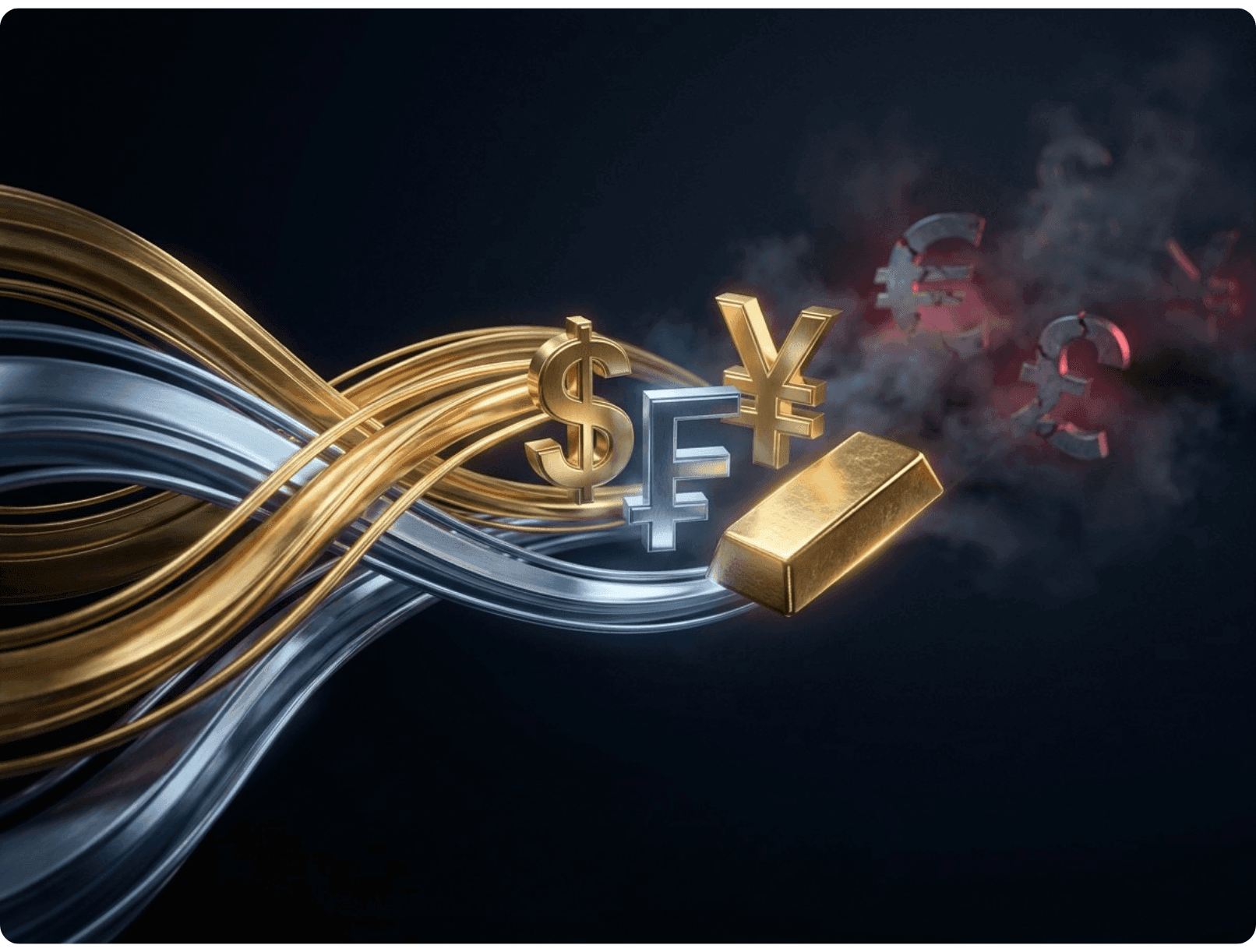
The market does not wait for the war to start. It does not wait for sanctions or treaties to collapse. It prices fear the moment fear becomes information. In forex, that happens faster than anywhere else.
On the morning of February 24, 2022, before most of Europe had finished its first coffee, Russian forces crossed into Ukraine. EUR/USD dropped more than 150 pips within the first hour. The Russian ruble lost around 10% before trading was suspended. Oil surged. The Swiss franc strengthened against the euro. Gold climbed.
None of this was random. None of it was panic.
It was the forex market doing exactly what it is built to do. Reprice risk across the global system in real time.
Geopolitical events do not move currencies blindly. They move specific currencies, in specific directions, through specific channels. These channels operate the same way whether the trigger is war, sanctions, elections, or diplomatic breakdown.
Understanding those channels is what keeps a trader on the right side of volatility.
The first channel is safe haven flow
When uncertainty rises, capital does not pause. It moves into assets and currencies that have historically preserved value.
Three currencies dominate this shift.
Swiss franc Switzerland’s neutrality, stable banking system, and low inflation history make CHF a default safe haven. It strengthens quickly in global shocks even when Switzerland is not directly involved.
Japanese yen Japan is the world’s largest creditor nation. During crises, Japanese investors bring capital back home. That repatriation creates demand for yen regardless of domestic fundamentals.
US dollar The dollar remains the global reserve currency. In times of stress, demand for dollars increases because global trade, debt, and liquidity systems depend on it.
As capital flows into these currencies, others weaken.
Commodity currencies such as the Australian dollar, Canadian dollar, and Norwegian krone tend to fall when global growth expectations drop. Emerging market currencies are even more vulnerable. Capital leaves faster than local systems can absorb.
October 2023 saw this clearly. Conflict in the Middle East pushed the Israeli shekel to multi year lows before intervention stabilised it. Oil prices rose sharply. The Australian dollar fell despite having no direct link to the region. This is how geopolitical risk spreads. It does not stay local. It reprices the entire system.
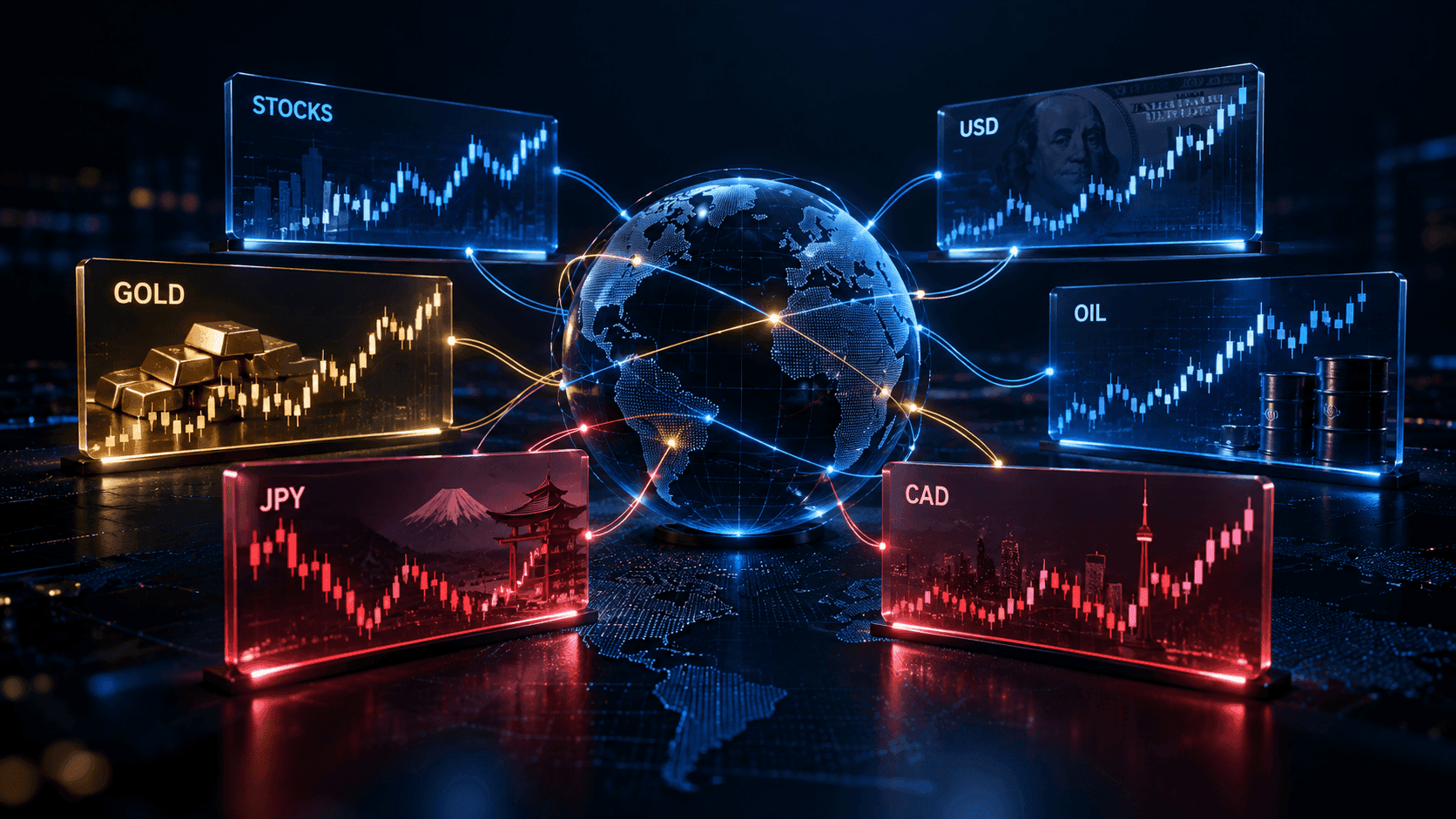
The second channel is commodity disruption
Many geopolitical flashpoints sit directly on key supply chains. When supply is threatened, currencies of producers and consumers move in opposite directions.
Oil disruptions Higher oil prices benefit exporters such as Canada and Norway. Their currencies strengthen as trade balances improve. Importers such as Japan face rising costs, weakening their currency.
Agricultural shocks When major exporters are disrupted, food importing economies face inflation pressure. Their currencies weaken as trade costs rise.
Natural gas shocks Europe’s reliance on external energy makes the euro sensitive to supply disruptions. Rising energy costs weaken the currency by widening deficits and reducing growth expectations.
Currencies are not reacting to headlines. They are reacting to changes in real economic flows.
The third channel is positioning before the event
This is the part most traders miss.
Geopolitical events rarely arrive without warning. Tensions build. Language shifts. Military activity increases. Negotiations break down.
Markets position during this phase.
By the time the headline hits, much of the move is already priced in. Traders reacting at that moment often enter at the worst possible price.
The move looks obvious only after it has happened.
The market does not reward reaction. It rewards anticipation of what the event changes over the coming months.
How the cycle unfolds:
Escalation phase Tensions rise gradually. Safe haven currencies begin to strengthen quietly. Risk currencies drift lower. Volatility builds in the background.
Peak event The headline hits. Safe havens spike. Risk assets fall sharply. Liquidity drops and spreads widen. This is the most chaotic and least reliable moment to trade.
Repricing phase The market absorbs the event and shifts focus to long term impact. Trade routes, energy supply, policy responses. This phase produces the most stable and tradeable trends.
How to approach it
Before: Watch official communication, not headlines. Changes in tone from governments and central banks often precede market moves.
During: Avoid trading the initial spike. Price action is driven by forced liquidations and thin liquidity, not clear direction.
After: Focus on what has structurally changed. Identify which currencies are most exposed and trade the longer term move that follows.
Geopolitical risk never disappears. It sits beneath every trade, influencing volatility, capital flow, and currency preference.
The traders who handle it best are not the ones who predict events. They are the ones who understand what those events mean for economic relationships and position accordingly before the noise takes over.
February 24, 2022 was not the beginning of the EUR/USD move.
It was the moment everyone else noticed it.
The traders who understood Europe’s energy vulnerability and positioned earlier had already captured most of the move before the first headline appeared.