

Forex trading can be exhilarating. The markets move fast, and the potential for profit is a powerful draw. But alongside the charts and the technical analysis lies a psychological battlefield that every trader must navigate: their own emotions.
Fear, greed, and impatience are just as impactful on your bottom line as interest rate decisions or GDP reports. In fact, seasoned traders often argue that psychology is the single most important factor in long-term success. Understanding how to manage your mindset isn't just a "soft skill"—it's a critical component of your trading strategy.
Here are five practical ways to keep your emotions in check and trade with discipline.
1. Acknowledge Your Emotions
The first step to managing emotions is accepting that they exist. You cannot eliminate fear or excitement entirely—you are human, after all. However, you can control how you react to them. Research into trader physiology shows that stress hormones like cortisol can significantly impact decision-making. A study published in the Proceedings of the National Academy of Sciences found that elevated cortisol levels can shift risk preferences, potentially leading to irrational choices during periods of high volatility.
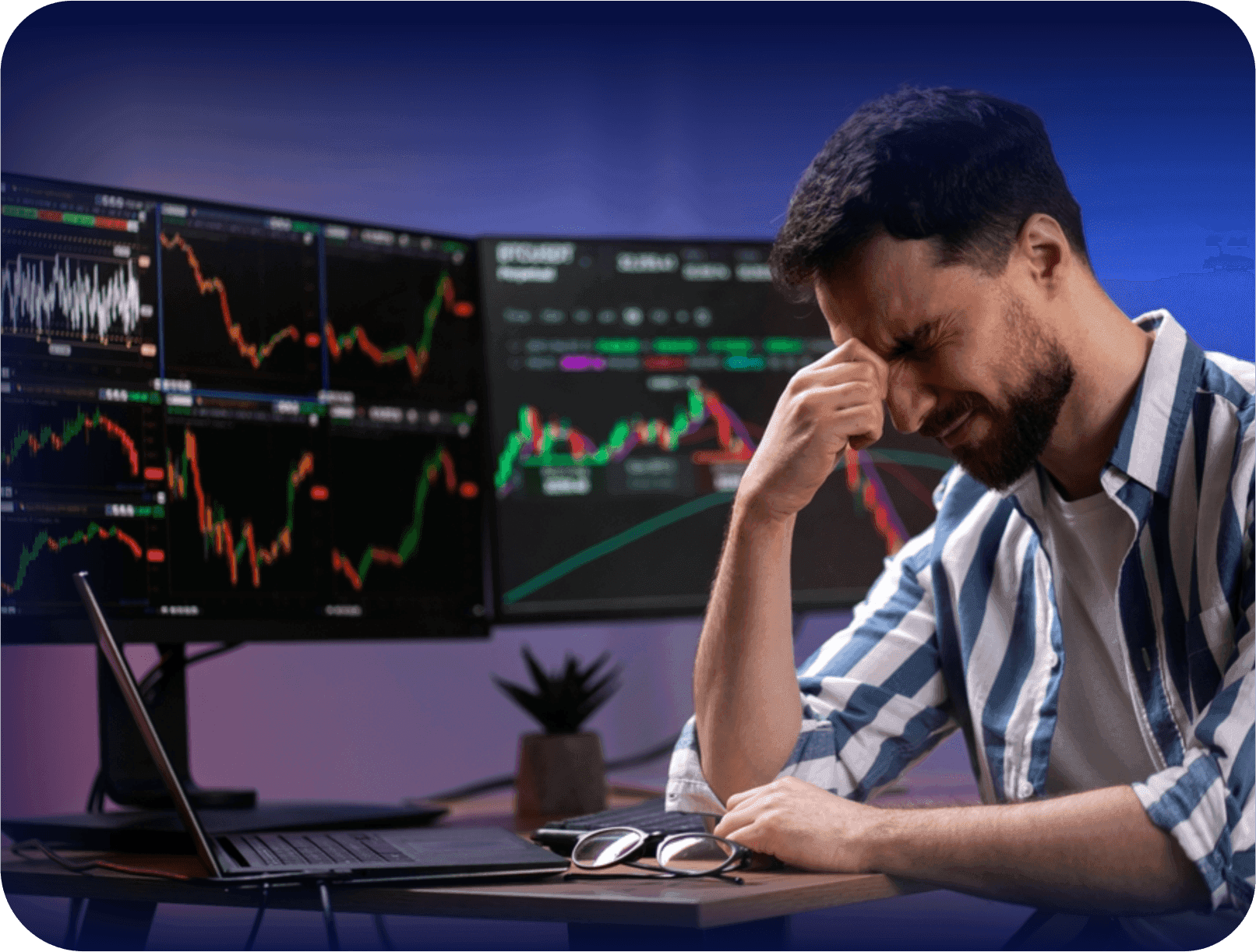
Instead of suppressing these feelings, acknowledge them. If you feel your heart racing or your palms sweating after a loss, recognize that you are in an emotional state. Pause and step back. Never trade with money you cannot afford to lose, as the financial pressure will only amplify your emotional response, leading to poor decision-making.
2. Develop a Trading Plan
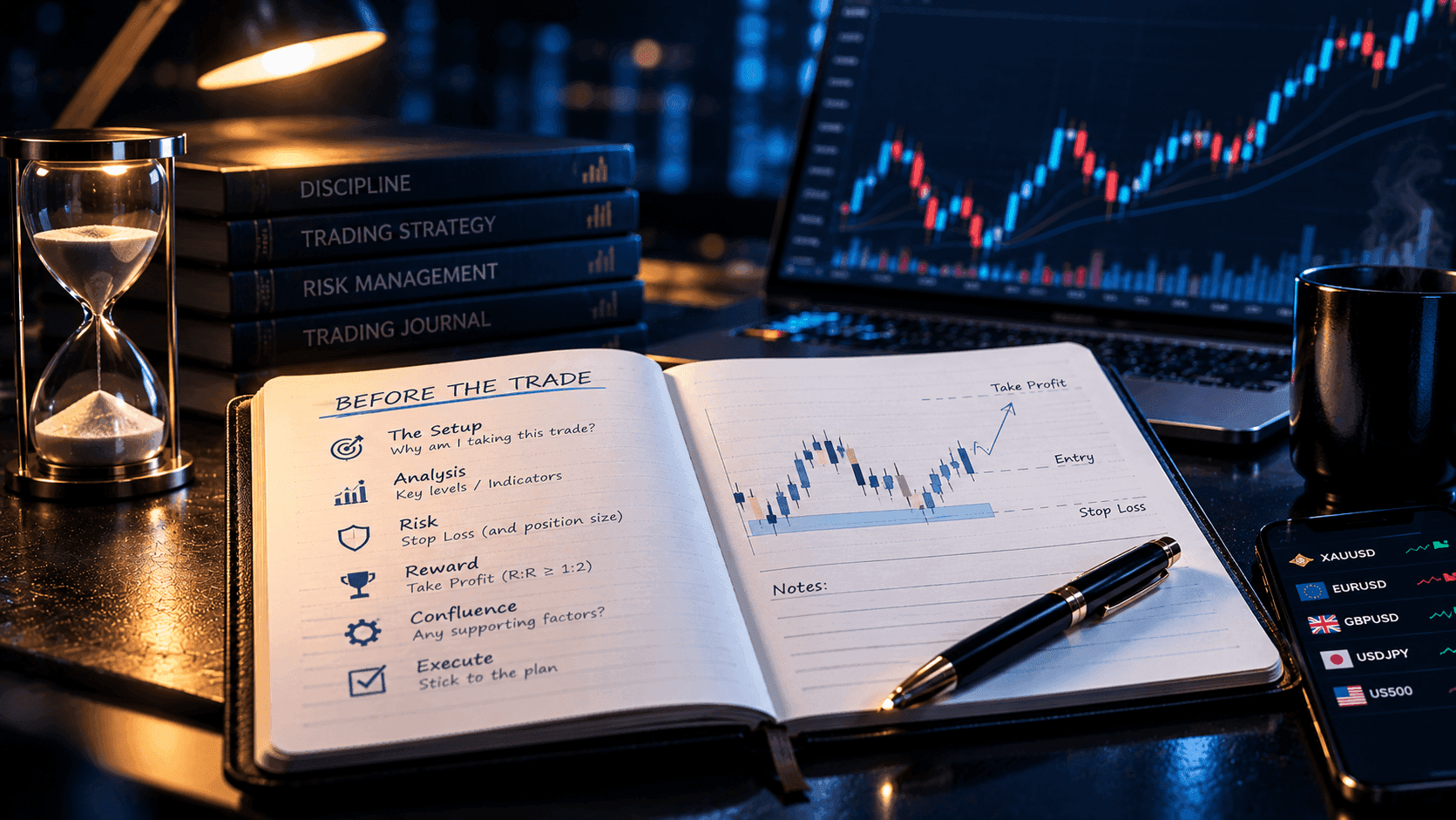
Emotions thrive in uncertainty. When you don't know what to do next, fear and greed take the wheel. A robust trading plan is your roadmap, removing the need for impulsive decisions in the heat of the moment.
Your plan should clearly define your entry and exit points, the size of your position, and the specific criteria that must be met before you place a trade. When the market moves against you, you won't panic because you already know your next move.
-
Stick to the plan: Discipline is key. If your plan says to exit, exit.
-
Remove the guesswork: Automation and structure reduce the mental load, leaving less room for emotional interference.
-
Remember the risk: You do not own, or have any right to the underlying assets. Treat trading as a disciplined business, not a gamble.
3. Use Risk Management Tools
Nothing triggers emotional trading quite like watching a manageable loss turn into a catastrophic one. Effective risk management is the safety net that allows you to trade with confidence.
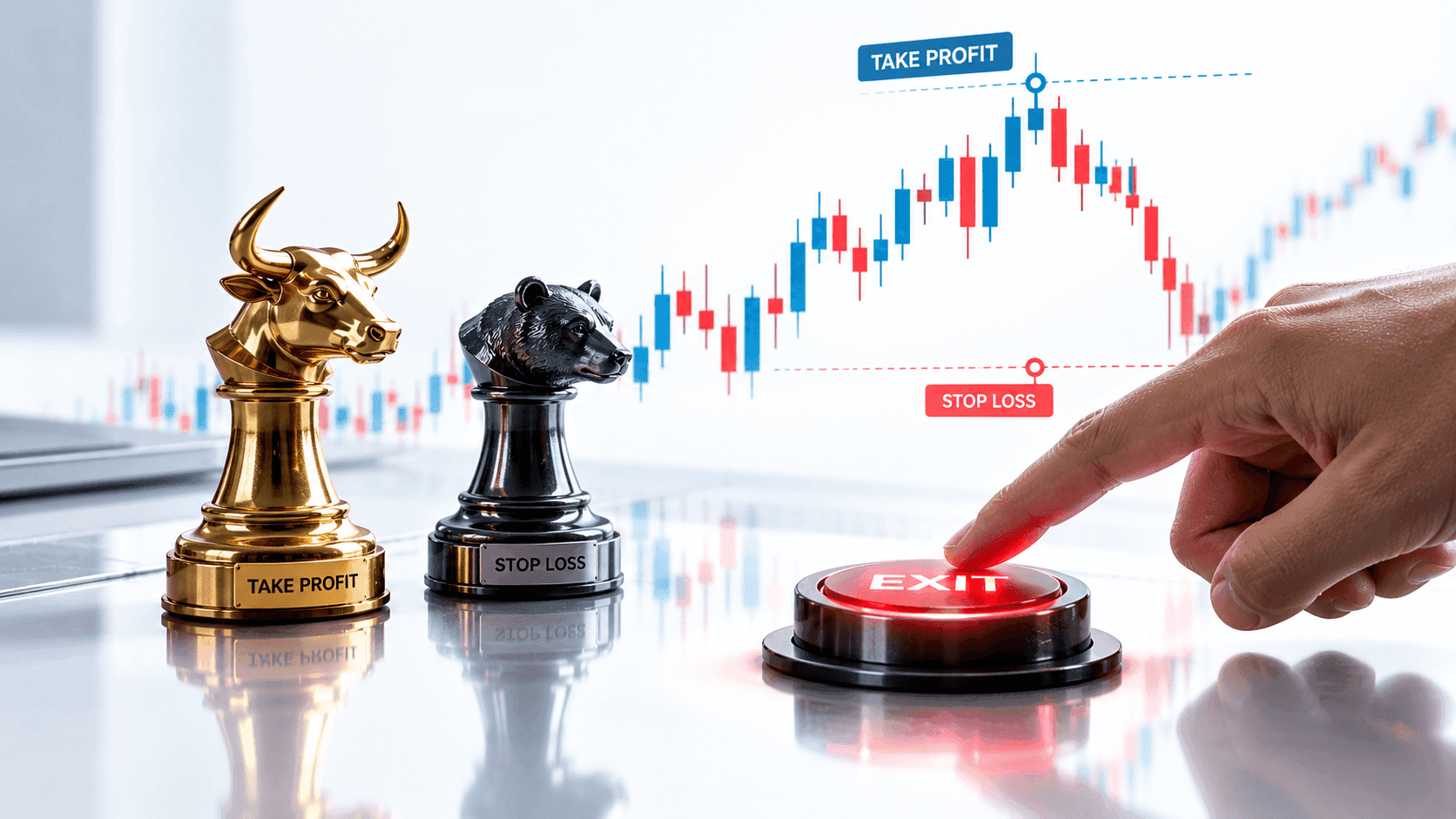
Utilizing tools like stop-loss orders is non-negotiable for emotional stability. A stop-loss ensures that you exit a losing trade at a predetermined level, protecting your capital from sudden market swings. By deciding how much you are willing to risk before you enter the trade, you remove the emotional agony of deciding when to cut a loss while the market is moving.
At My Maa Markets, we offer access to over 275 trading instruments and advanced platforms like MetaTrader 5, giving you the technical tools necessary to implement precise risk management strategies efficiently.
4. Take Breaks
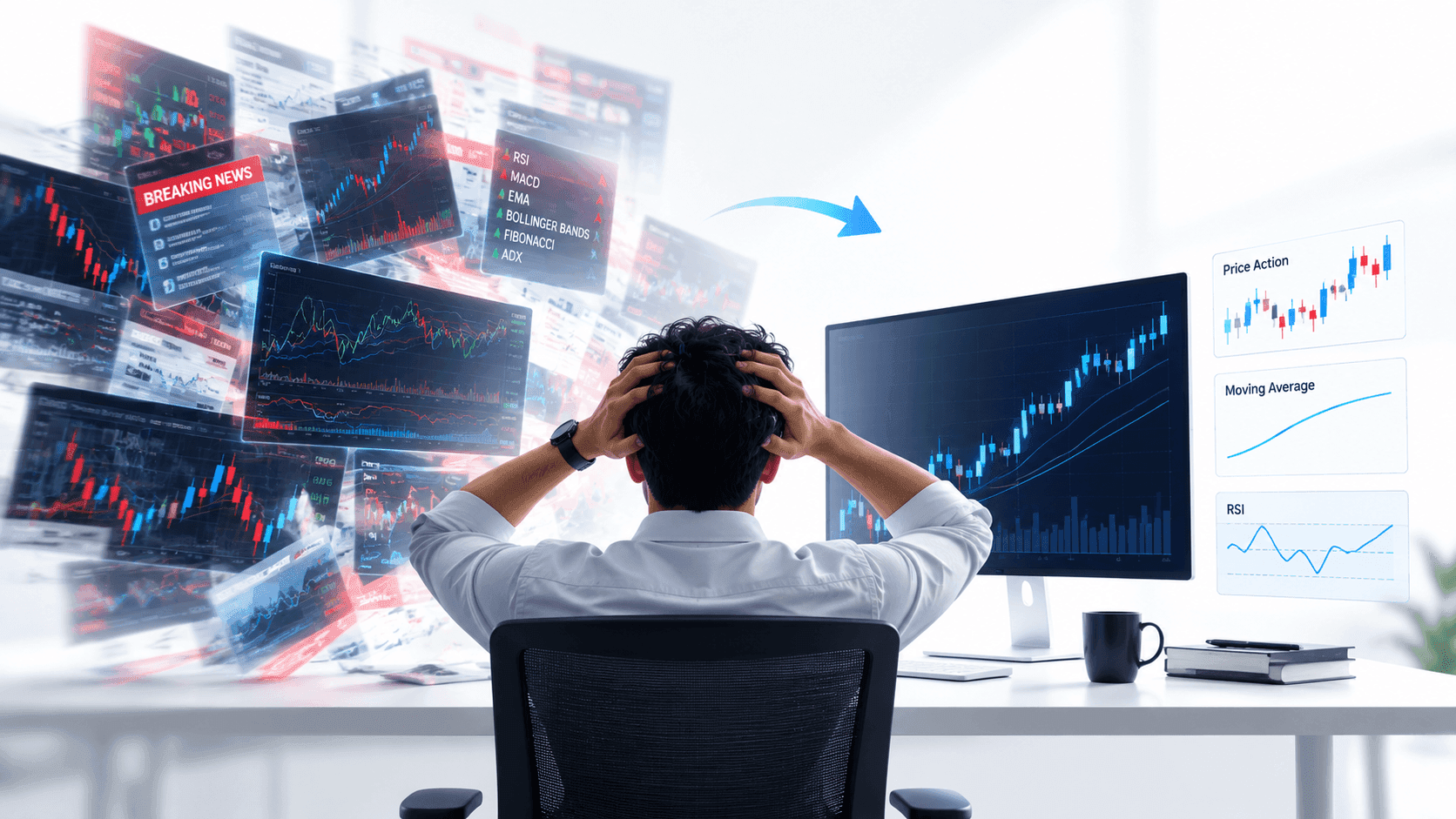
Staring at charts for hours on end can lead to fatigue and "tunnel vision," where you lose perspective on the broader market context. This mental exhaustion often leads to overtrading—placing trades just to feel like you are doing something.
Stepping away from the screen is a valid trading strategy. It clears your head and allows your cortisol levels to reset.
-
Set a schedule: Designate specific trading hours and stick to them.
-
Disconnect: When you step away, truly disconnect. Do not check prices on your phone.
-
Use the right tools: Ensure you are using comprehensive tools and live market analytics to unlock the full potential of your trading strategy when you are at your desk.
5. Review Trades Objectively
After a trading session, particularly a losing one, it is easy to fall into the trap of self-criticism or blame. Conversely, a winning streak can lead to overconfidence. Both are dangerous.
To counter this, review your trades objectively. Keep a trading journal where you record not just the entry and exit prices, but also your emotional state at the time. Did you buy because your strategy signaled a setup, or because you had "fear of missing out" (FOMO)?
Analyzing your past performance without emotional bias helps you identify patterns in your behavior. It transforms losses from emotional setbacks into valuable data points for improvement.
Conclusion
Mastering your emotions is a journey, not a destination. By acknowledging your psychological state, adhering to a strict plan, and utilizing professional risk management tools, you can navigate the volatility of the Forex market with confidence.
Ready to trade with a partner that values your success? My Maa Markets offers a secure, FSC-regulated environment with spreads from 0.0 pips and 24/7 expert support. Start Trading with My Maa Markets
Risk Disclaimer: CFDs and Margin FX are leveraged products that carry a high level of risk to your capital. Trading is not suitable for everyone and may result in you losing substantially more than your initial investment. You do not own, or have any right to the underlying assets. You should only trade with money you can afford to lose.