


Have you ever wondered why some trades execute instantly at your desired price, while others seem to experience delays or price shifts? The answer often lies in market liquidity. In simple terms, liquidity refers to how easily an asset can be bought or sold in the market without causing a significant change in its price. It is the lifeblood of the financial ecosystem, ensuring stability and efficiency for everyone from individual retail traders to massive institutional banks.
For a retail trader, understanding liquidity is not just a theoretical concept—it is a practical necessity that impacts your bottom line. High liquidity environments typically offer smoother transactions and tighter spreads, allowing for more precise trade execution. Conversely, low liquidity can lead to volatile price swings, increased costs, and the risk of not being able to exit a position when you need to.
In this guide, we will explore the critical role liquidity plays in financial markets and how it directly impacts your trading performance. We will also discuss the risks associated with varying liquidity levels and how you can optimize your strategy to navigate global markets efficiently.
Why Liquidity Matters for Retail Traders
Liquidity is the primary driver behind the "bid-ask spread"—the difference between the highest price a buyer is willing to pay and the lowest price a seller is willing to accept. When a market is highly liquid, such as the EUR/USD forex pair during the London and New York session overlap, there is a high volume of buyers and sellers. This competition tightens the spread, reducing the cost of entering and exiting trades.
For retail traders, this is crucial. Wider spreads eat into potential profits, meaning the market has to move further in your favor just for you to break even. By focusing on liquid assets or trading during peak market hours, you can minimize these transaction costs and improve your overall trading efficiency.
The Risks of Low Liquidity
While high liquidity offers stability, periods of low liquidity introduce specific risks that every trader must be aware of.
Slippage and Volatility
When there are fewer participants in the market, large orders can have a disproportionate impact on price. This can result in "slippage," where your trade is executed at a different price than you intended. This is common during major news events or market opens when liquidity can dry up momentarily, causing prices to gap significantly.
Challenges with Leveraged Products
For traders using leveraged products like CFDs (Contracts for Difference), liquidity risks are amplified. If a market becomes illiquid and moves against you rapidly, you may not be able to close your position at your stop-loss level. This highlights the importance of understanding the liquidity conditions of the specific asset class you are trading, whether it is Forex, Indices, or Metals.
Trading with Efficiency
To navigate these market conditions effectively, your choice of broker and trading conditions plays a significant role. When liquidity is high, having access to institutional-grade execution can make a substantial difference in your strategy.
-
Low Spreads: Trading with spreads starting from 0.0 pips allows you to capitalize on small price movements without being hindered by high entry costs.
-
High Leverage: For experienced traders, using leverage (up to 1:500) can help amplify exposure to liquid markets. However, this must be paired with a robust risk management strategy.
At MY MAA MARKETS, we provide the infrastructure needed to trade efficiently. Our FSC-regulated platform ensures transparency, offering you access to deep liquidity pools and rapid execution speeds.
Essential Risk Management
It is vital to remember that trading in financial markets involves a high level of risk. Market conditions can change rapidly, and while leverage can magnify returns, it can also magnify losses.
-
Only invest what you can afford: Never trade with money that is essential for your daily living expenses.
-
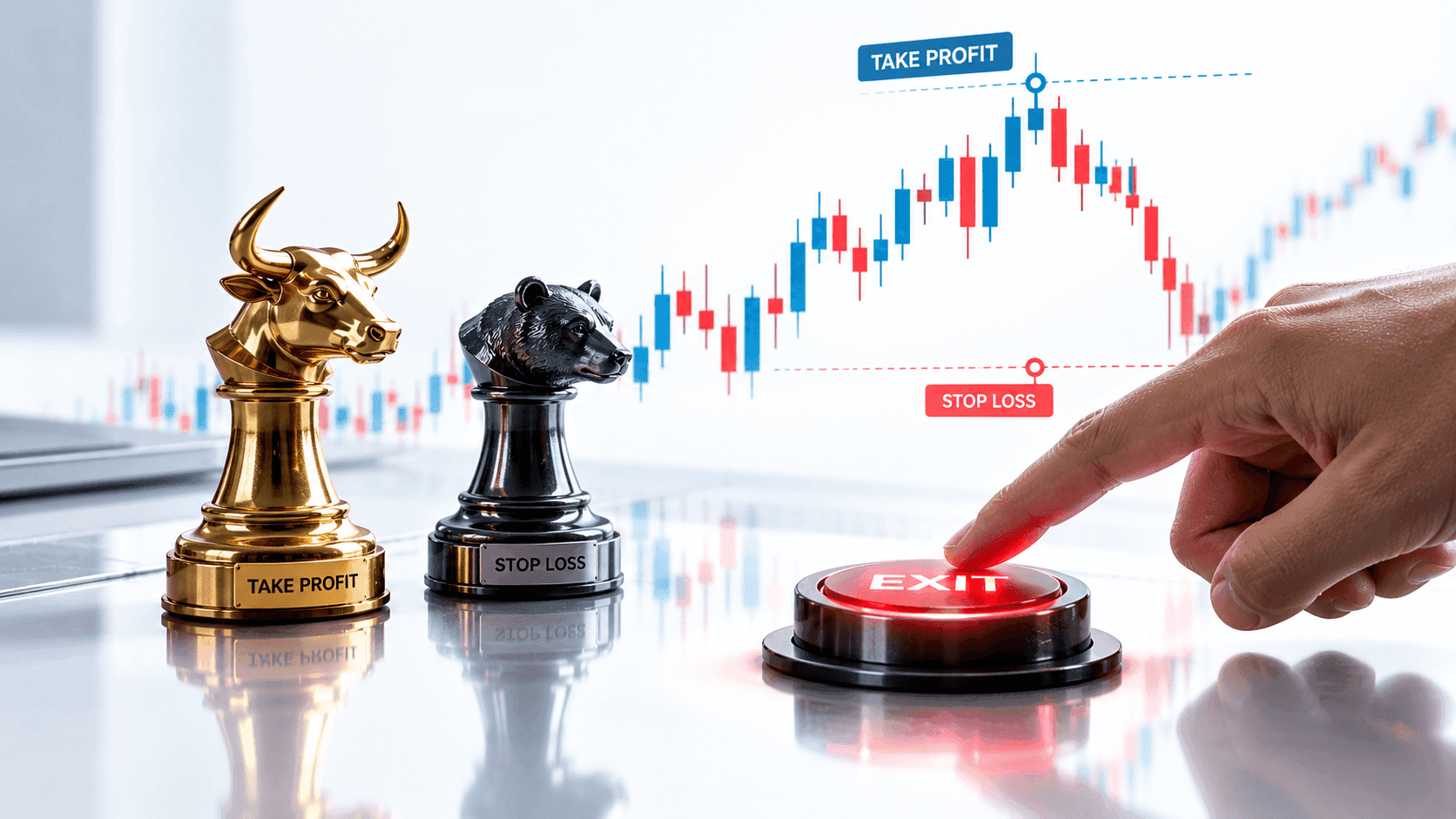
Use Stop-Losses: Always have a predefined exit point to protect your capital from unexpected volatility.
-
Educate Yourself: Continuous learning is your best defence against market unpredictability.
Monitor Markets with Precision
Successful trading requires more than just intuition; it requires the right tools and data. Monitoring liquidity across different asset classes—from major currency pairs to volatile cryptocurrencies—allows you to time your entries and exits with greater precision.
At MY MAA MARKETS, we empower you with advanced analytics through the MetaTrader 5 (MT5) platform. Whether you are scalping the markets or holding long-term positions, our technology provides the real-time data you need to assess market depth and make informed decisions. By combining educational resources with powerful trading tools, we help you navigate the complexities of market liquidity with confidence.