

Trading financial markets offers immense potential, but it is not a path paved with luck. The difference between a fleeting attempt and a sustainable trading career often comes down to one crucial factor: discipline. Without a structured approach, even the most robust strategy can fall apart under the pressure of market volatility.
At My Maa Markets, we believe that knowledge and structure are your greatest assets. Establishing solid habits from your very first trade can help you navigate the complexities of global markets with confidence. This guide outlines five essential habits to help you build discipline, manage risk effectively, and approach trading with a professional mindset.
1. Establish a Structured Pre-Market Routine
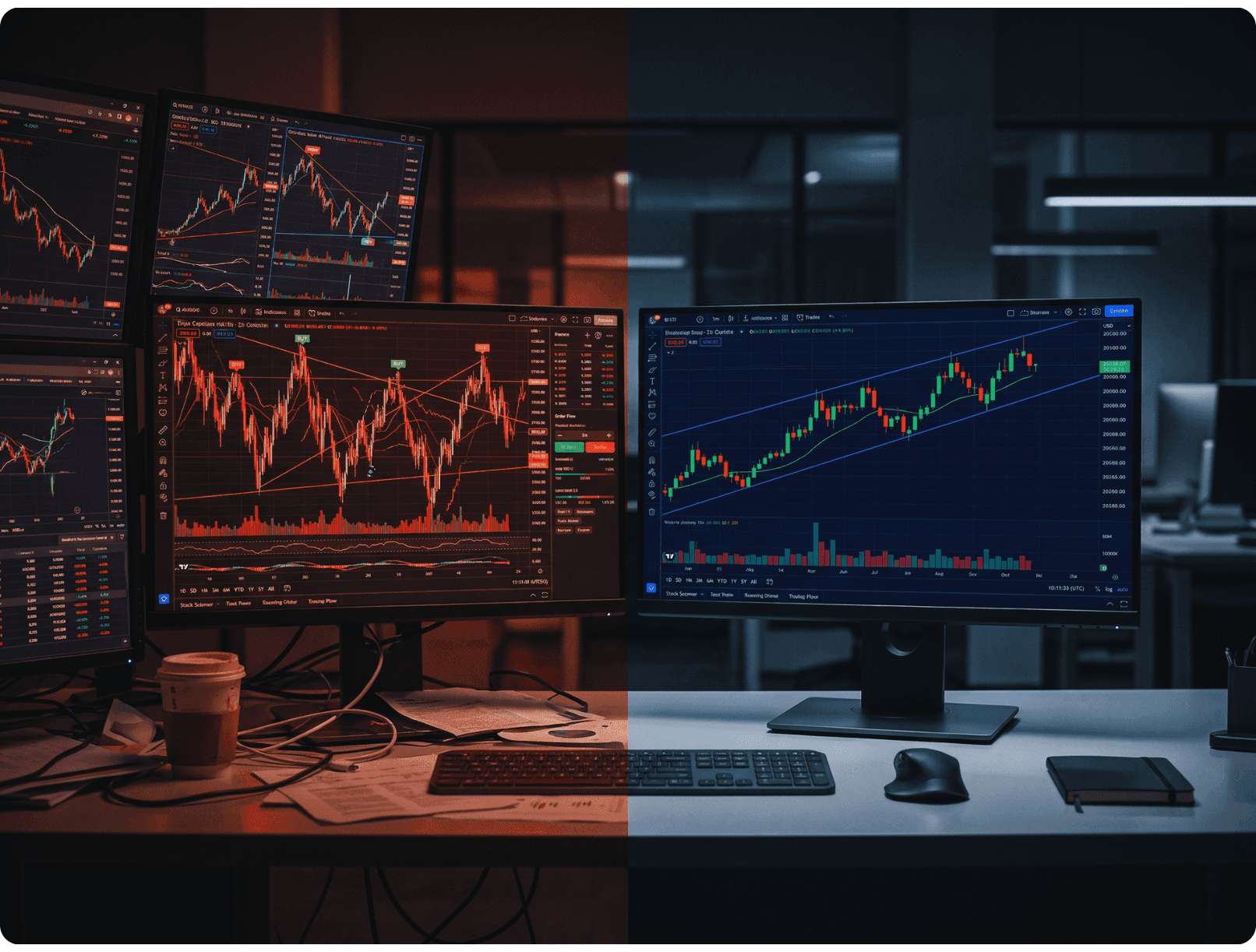
Consistency in trading begins long before you execute an order. A structured routine sets the tone for your trading session, ensuring you are reactive to market movements rather than reactive to emotions. Professional traders do not simply jump into the market; they prepare.
This preparation involves analyzing market conditions, reviewing open positions, and identifying potential setups based on your strategy. Whether you are trading Forex, Indices, or Commodities, having a clear plan reduces decision fatigue and helps you maintain focus during high-volatility periods.
💡 Practical Tip: Create a pre-trading checklist. Before opening your platform, confirm you have checked the economic calendar for major announcements, reviewed key support and resistance levels, and defined your goals for the session.
2. Keep Detailed Records of Every Trade
Memory is fallible, but data is objective. Keeping a detailed trading journal is one of the most effective ways to identify strengths and weaknesses in your performance. A journal goes beyond a simple list of profits and losses; it should record the 'why' behind every decision.
By documenting your entry and exit points, the strategy used, and your emotional state at the time of the trade, you create a feedback loop. Over time, this historical data reveals patterns in your behavior, allowing you to refine your strategy based on evidence rather than intuition.
💡 Practical Tip: Use a spreadsheet or a dedicated journaling app to log your trades immediately after closing them. Include a screenshot of the chart at the moment of entry and exit to visually review your decision-making process later.
3. Implement Consistent Risk Management
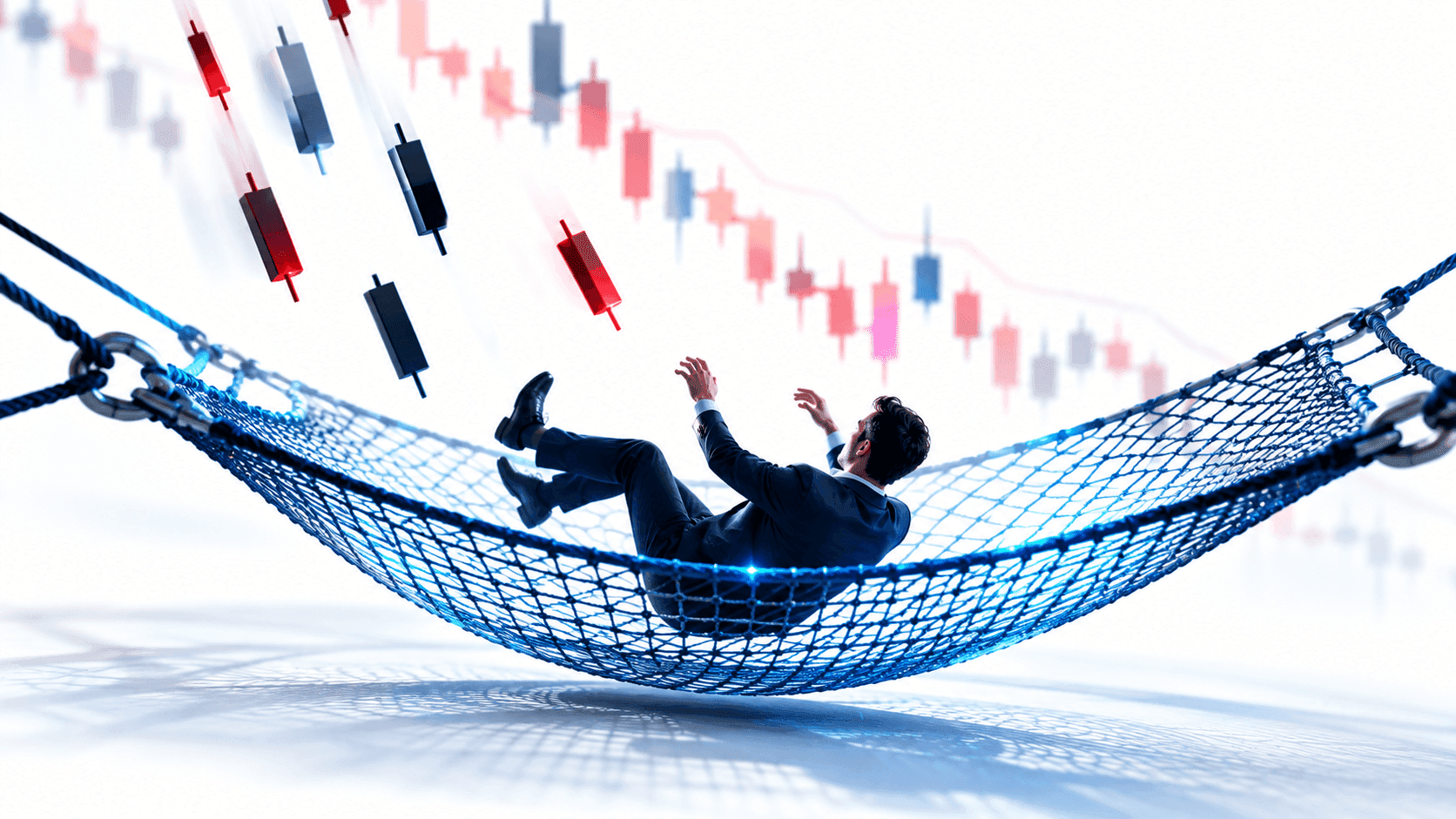
Preserving your capital is just as important as growing it. Risk management is the safety net that ensures a series of losing trades does not wipe out your account. Discipline in this area means adhering to strict rules regarding position sizing and stop-loss orders, regardless of how confident you feel about a specific trade.
Many successful traders adhere to the 1% rule, never risking more than 1% of their account balance on a single trade. This disciplined approach ensures that you can withstand market fluctuations and stay in the game long-term.
💡 Practical Tip: Always set a hard stop-loss order at the time of trade entry. Tools available on platforms like MetaTrader 5 allow you to automate this, ensuring your risk parameters are locked in before the market moves.
4. Prioritize Market Knowledge and Continuous Learning
The financial markets are dynamic, influenced by geopolitical events, economic data, and shifting sentiment. Resting on past knowledge is a recipe for stagnation. Disciplined traders view education as an ongoing process, constantly seeking to understand the forces driving market movements.
Whether it is mastering technical analysis or understanding how interest rate changes affect currency pairs, continuous learning sharpens your edge. Utilizing resources such as My Maa Markets' educational tools and economic calendars can help you stay ahead of the curve.
💡 Practical Tip: Dedicate at least 30 minutes a day to learning. This could be reading a financial news update, studying a new technical indicator, or watching an instructional video on our Education Central hub.
5. Master Emotional Control
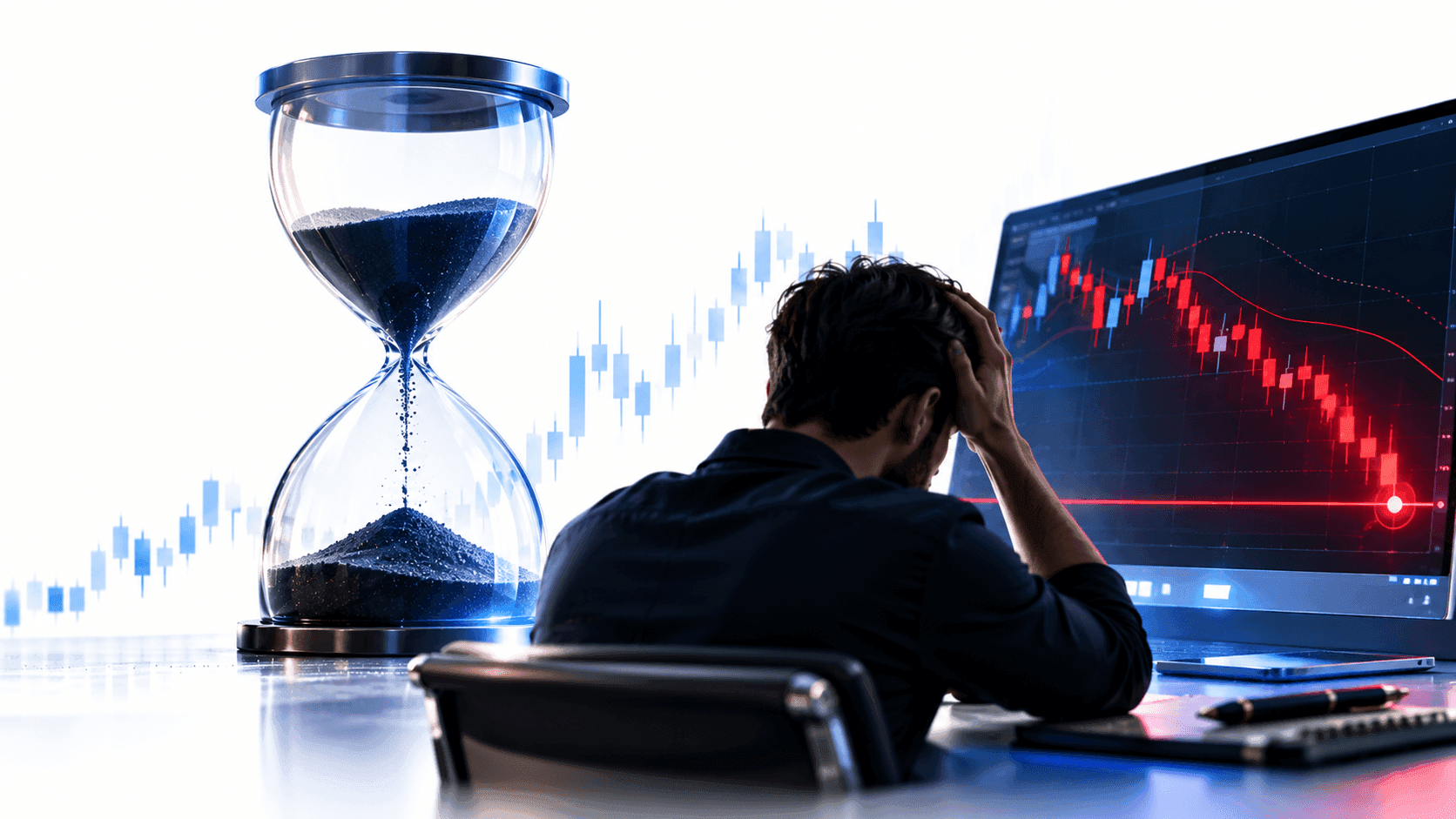
Fear and greed are the enemies of trading discipline. Emotional decisions often lead to impulsive actions, such as chasing losses or exiting winning trades too early. Mastering emotional control does not mean eliminating emotions, but rather recognizing them and preventing them from dictating your actions.
Discipline requires you to stick to your trading plan even when your emotions are urging you to deviate. If a trade hits your stop loss, accept it as the cost of doing business rather than trying to "win it back" immediately with a high-risk trade.
💡 Practical Tip: If you feel overwhelmed or emotional after a loss, physically step away from your trading station. A 15-minute break can help reset your mindset and prevent impulse trading.
Conclusion
Building trading discipline is not an overnight achievement; it is a habit formed through consistent practice and adherence to a structured plan. By establishing a routine, keeping detailed records, managing risk, staying educated, and controlling emotions, you lay the foundation for a professional approach to the markets.
Ready to apply these habits in a secure environment? Explore our FSC-regulated platforms and access the tools you need to trade with confidence.