


In the dynamic world of financial markets, leverage trading stands out as a powerful mechanism that allows investors to gain significant exposure to assets without committing the full capital upfront. For traders in the UAE, India, and emerging global markets, understanding leverage is often the first step toward sophisticated trading strategies.
However, leverage is frequently described as a double-edged sword. While it has the potential to amplify your profits, it carries an equal risk of amplifying your losses. Whether you are a beginner looking to understand the basics or an experienced trader refining your strategy, this guide will provide a comprehensive overview of how leverage works, the benefits it offers, and the crucial risk management strategies required to navigate it safely.
1. Introduction to Leverage Trading
At its core, leverage trading involves borrowing funds from your broker to increase your trading position beyond what would be possible with your own capital alone. Think of it as a multiplier for your buying power.
To open a leveraged position, you are required to put down a small percentage of the total trade value, known as "margin". The broker provides the rest. For example, if a broker offers a leverage ratio of 1:500 (available on platforms like My Maa Markets), you could control a position worth $50,000 with a deposit of just $100.
It is vital to understand that while you are trading with borrowed capital, you remain fully responsible for the losses incurred on the total value of the position, not just the margin you deposited. This is why a solid grasp of risk management is non-negotiable before entering the market.
2. Benefits of Leverage Trading
When used responsibly, leverage can be a highly effective tool for capital efficiency. Here are the primary advantages:
Amplifying Potential Gains
The most attractive feature of leverage is the ability to generate significant profits from relatively small market movements. If the market moves in your favour by just 1%, a leveraged position of 1:100 would result in a 100% return on your invested margin (excluding fees and spreads). This allows traders to capitalise on small, intraday price fluctuations in liquid markets like Forex.
Accessing Larger Positions with Less Capital
Leverage frees up your capital, allowing you to diversify your portfolio rather than locking all your funds into a single trade. By requiring only a fraction of the trade value as a deposit, you can allocate your remaining capital to other assets or keep it as a safety buffer. This is particularly beneficial for retail traders who may not have the substantial bankroll of institutional investors but still wish to participate in global markets.
3. Risks of Leverage Trading
Transparency is key to building trust in trading. While the upside of leverage is appealing, the risks must be clearly understood to trade with confidence.
Potential for Substantial Losses
Just as leverage magnifies gains, it magnifies losses. If the market moves against your position, your losses are calculated based on the full size of the trade, not your margin deposit. It is possible to lose substantially more than your initial investment if proper safeguards are not in place.
Margin Calls and Liquidation
If your account equity falls below a certain level (the margin requirement) due to adverse market movements, your broker may issue a "margin call". This is a demand for you to deposit additional funds to cover the potential losses. If you fail to do so, or if the market moves too rapidly, the broker may automatically close (liquidate) your positions to prevent further losses.
Disclaimer: CFDs and Margin FX are leveraged products that carry a high level of risk to your capital. Trading is not suitable for everyone. You do not own, or have any right to the underlying assets. You should only trade with money you can afford to lose.
4. Leverage Trading Strategies
Professional traders do not rely on luck; they rely on robust risk management frameworks. Here are pragmatic strategies to manage leverage effectively:
Implement Strict Stop-Loss Orders
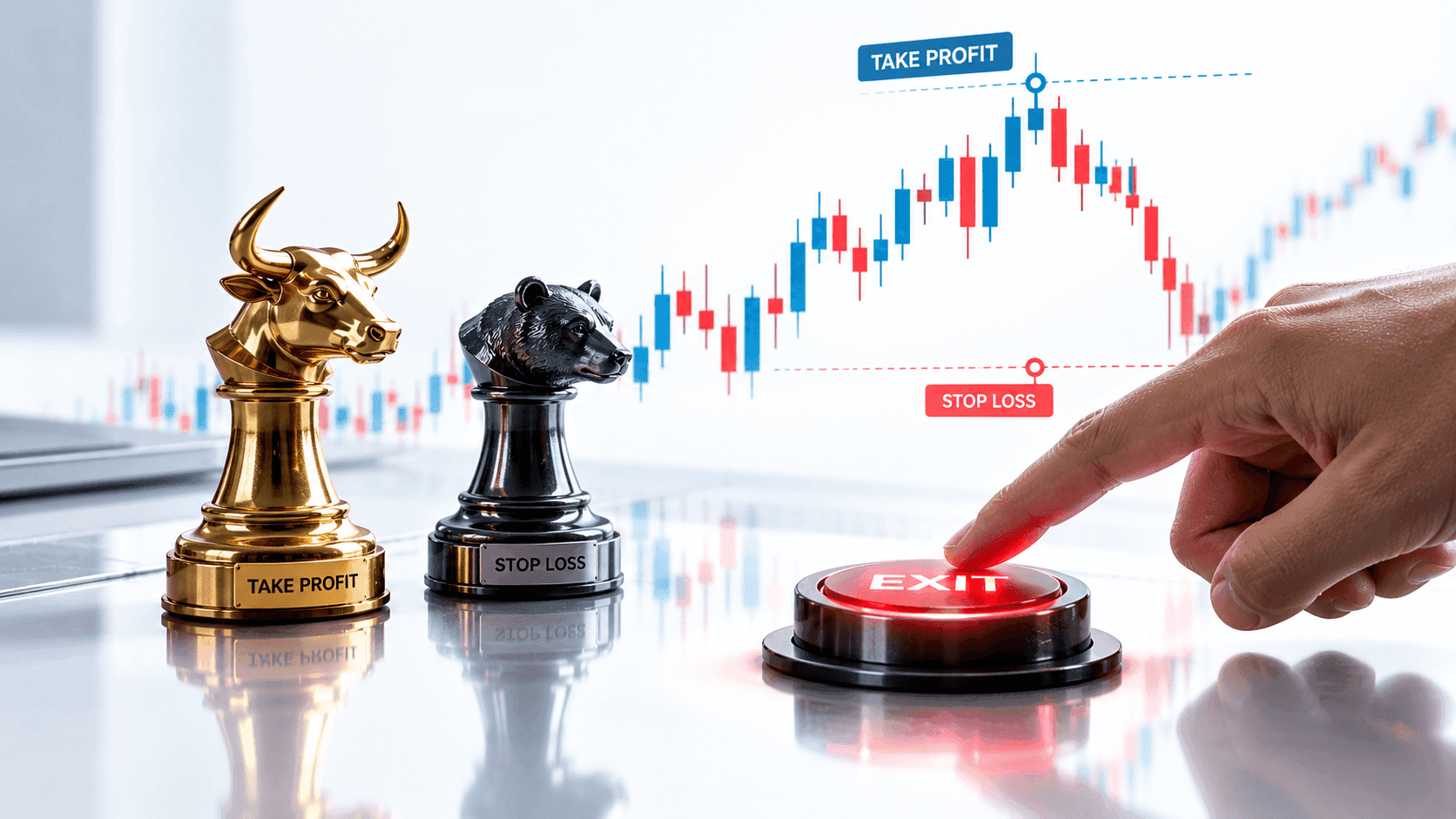
A stop-loss order is an automatic instruction to close a trade at a specific price level to limit your loss. This is your primary defence against market volatility.
Tip: Never move a stop-loss further away once the trade is open. Determine your maximum acceptable loss before you enter the trade and stick to it.
Risk Management Techniques
A common rule of thumb among successful investors is the 1% rule: never risk more than 1% of your total account capital on a single trade. Even if you have access to high leverage (e.g., 1:500), you should adjust your position size so that a hit to your stop-loss only costs you 1% of your equity. This ensures that a string of losing trades does not wipe out your account.
5. Choosing a Broker
Selecting the right partner is critical for a secure and efficient trading experience. When evaluating brokers for leverage trading, consider the following:
Regulation and Security
Safety should always be your top priority. Ensure your broker is regulated by a reputable authority. For instance, platforms regulated by the FSC (Financial Services Commission - Mauritius) adhere to strict standards regarding capital adequacy and client fund segregation. This ensures you are trading in a safe and secure environment.
Available Leverage and Trading Conditions
Different brokers offer different leverage caps. While higher leverage (such as 1:500) offers more flexibility, it requires disciplined risk management. Additionally, look for brokers that offer tight spreads (starting from 0.0 pips) and zero commissions on standard accounts, as these costs can eat into your margins quickly. Robust platforms like MetaTrader 5 (MT5) are also essential for executing trades with precision and speed.
6. Conclusion
Leverage trading is a sophisticated tool that can unlock emerging opportunities and significantly enhance your trading potential. However, it requires a disciplined approach, a clear understanding of the risks, and a commitment to continuous education. By employing strict risk management strategies like stop-loss orders and choosing a regulated, transparent broker, you can navigate the markets with greater assurance.
Ready to apply these strategies? Explore our robust trading platforms and access over 275 instruments with competitive spreads today.