


When you click 'buy' or 'sell' on your trading platform, you expect the order to execute instantly at the price you see on the screen. When this happens seamlessly, you are witnessing market liquidity in action.
Liquidity is often described as the lifeblood of financial markets. In simple terms, it refers to how easily an asset can be bought or sold without causing a significant change in its price. A highly liquid market—like major Forex pairs such as EUR/USD—has a high volume of activity, meaning there is almost always someone willing to take the other side of your trade. Conversely, an illiquid market lacks this depth, which can lead to instability and erratic price movements.
For traders, understanding liquidity is not just academic; it is a practical necessity for efficient execution and cost management.
Why Liquidity Matters for Retail Traders
Liquidity directly dictates the cost of doing business in the financial markets. This cost is primarily represented by the bid-ask spread—the difference between the highest price a buyer is willing to pay and the lowest price a seller is willing to accept.
In a liquid market, the gap between these two figures is minimal. This means you can enter and exit positions without paying a heavy premium. For example, My Maa Markets offers spreads from 0.0 pips on major pairs, a direct benefit of deep market liquidity and institutional-grade execution.
However, when liquidity dries up, spreads widen. If you are a scalper or a day trader looking to capture small movements, wide spreads can eat into your potential profits before the trade has even really begun.
The Risks of Low Liquidity
While high liquidity offers stability, low liquidity introduces specific risks that every trader must account for.
Slippage
Slippage occurs when a trade is executed at a different price than expected. In illiquid markets, there may not be enough buyers or sellers at your specific price level. The platform must then look for the next available price, which could be several points away. This results in you paying more to buy or receiving less when you sell.
Increased Volatility
There is a strong correlation between low liquidity and high volatility. When there are fewer participants in the market, it takes less capital to move the price. a single large order in an illiquid market can cause sharp price spikes or drops. For traders using leveraged products like CFDs, this volatility can lead to rapid gains but also equally rapid losses if the market moves against the position
Trading with Efficiency
To navigate these market conditions effectively, professional traders rely on brokers that offer high-performance infrastructure. Trading with efficiency means minimising costs while maximising potential exposure.
-
Low Spreads: Accessing raw spreads from 0.0 pips allows traders to retain more of their profit margin.
-
Leverage: High leverage (up to 1:500) allows traders to amplify their exposure to the market with a smaller initial deposit. However, this tool requires disciplined use, as it amplifies both profits and losses.
By combining deep liquidity pools with efficient trading conditions, traders can execute strategies—such as scalping or news trading—that would be impossible in a sluggish, illiquid environment.
Essential Risk Management
It is vital to remember that efficient trading tools do not eliminate risk. In fact, tools like leverage increase the level of risk involved.
Trading involves significant risk and may not be suitable for all investors. You should carefully consider your investment objectives, experience level, and risk appetite. The golden rule of trading remains constant: only invest money you can afford to lose.
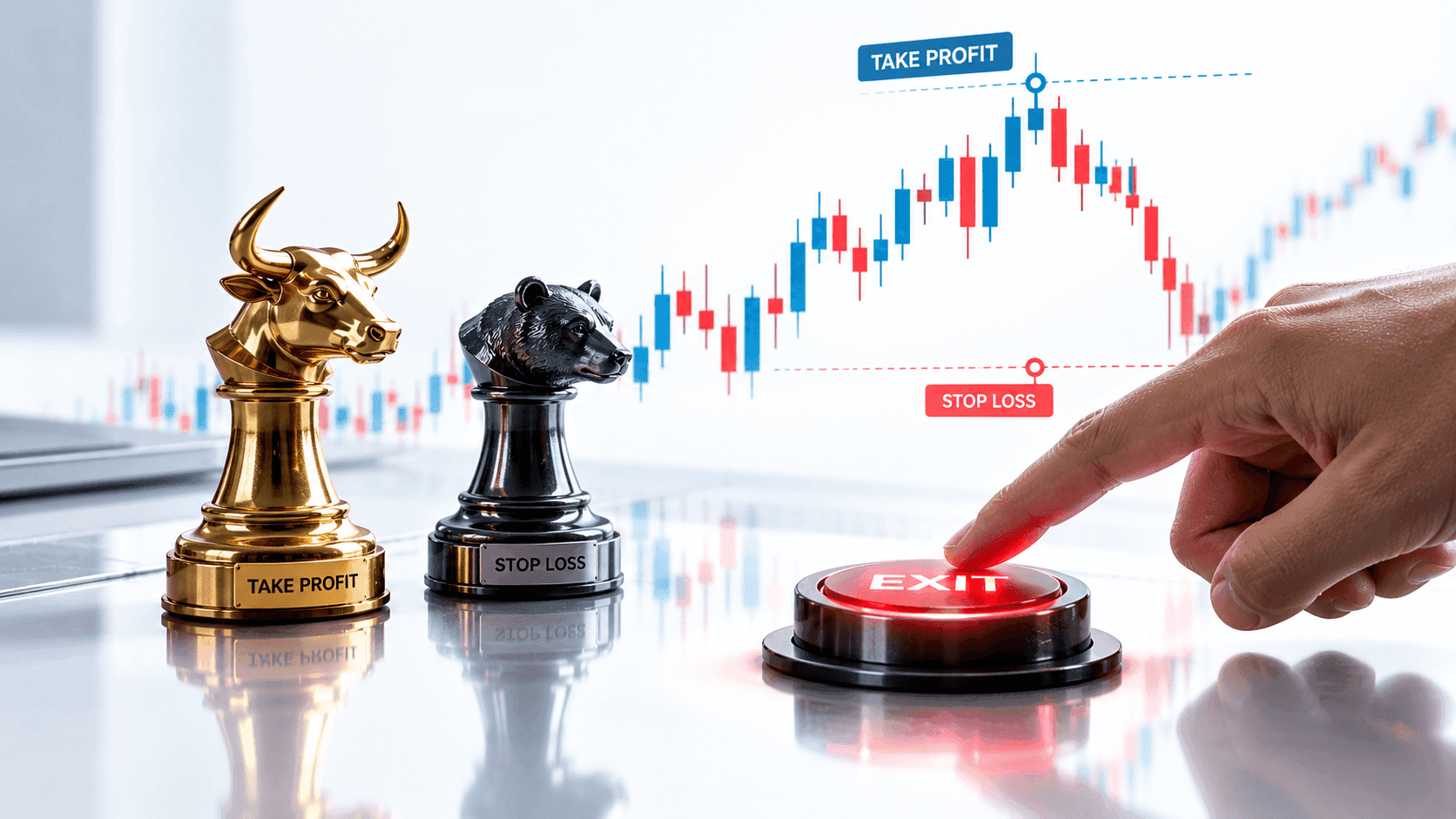
At My Maa Markets, we encourage all clients to utilise risk management tools, such as Stop Loss orders, to protect their capital from unexpected volatility.
Monitoring Markets with Live Analytics
Liquidity is not static; it changes depending on the time of day, economic news releases, and global events. To stay ahead, traders should utilise live market analytics available on platforms like MetaTrader 5 (MT5).
By monitoring volume and market depth across asset classes—whether in Forex, Indices, or Metals—you can identify the optimal times to enter the market.
Ready to experience institutional-grade execution?
Open a live account with My Maa Markets today and access 275+ instruments with spreads starting from 0.0 pips.