

Volatile markets can be thrilling. The rapid price movements and the potential for quick returns often draw traders in, creating a sense of urgency to "act now." However, this excitement can quickly turn into a trap known as overtrading—executing too many trades in a short period, often driven by emotion rather than strategy.
For traders in emerging markets like the UAE and India, where market dynamics can shift rapidly, understanding how to maintain discipline is as crucial as understanding the charts themselves.
The Psychology of the Volatile Market
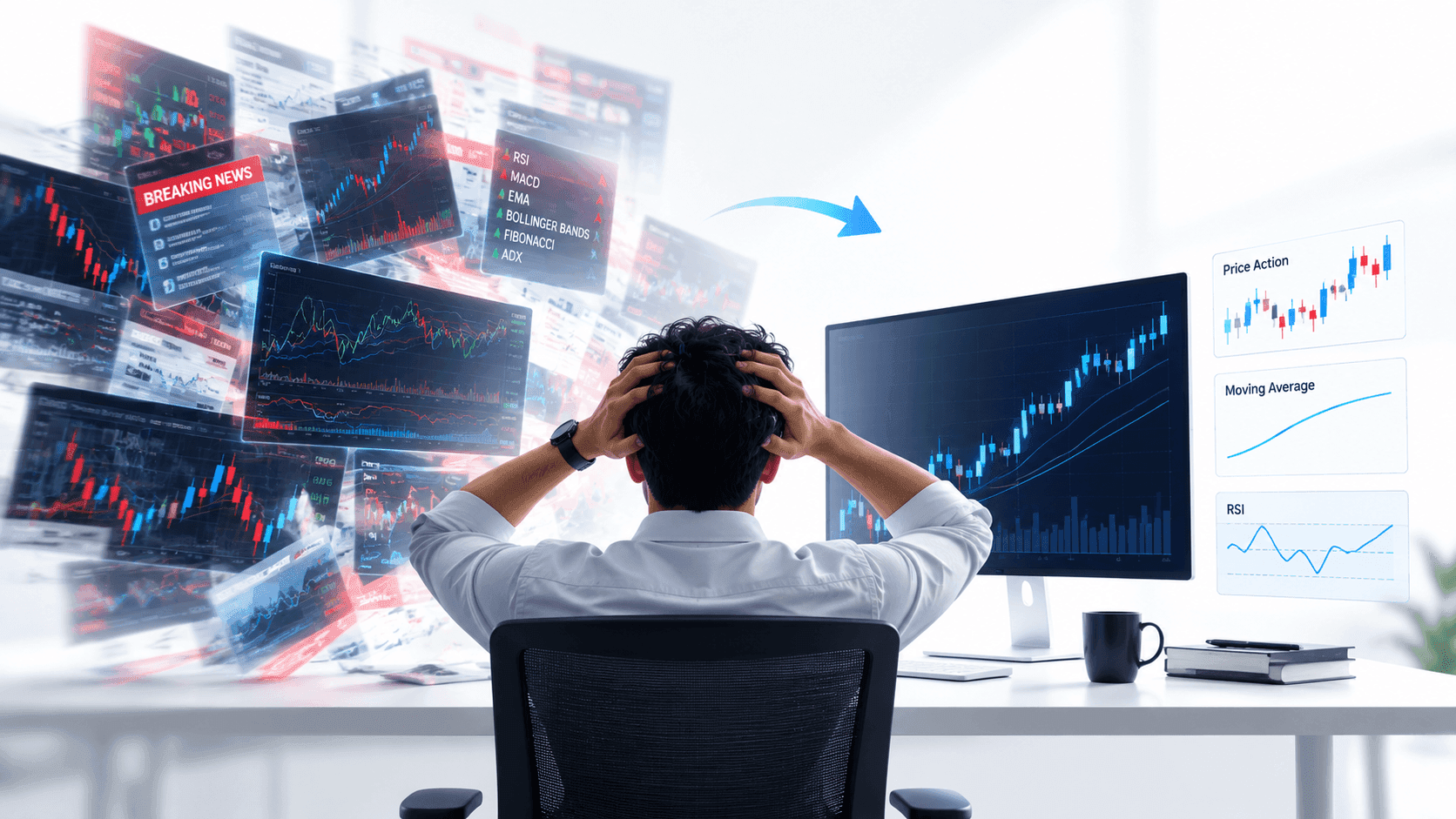
Overtrading is rarely a strategic choice; it is almost always a psychological reaction. When the market is moving fast, the Fear Of Missing Out (FOMO) kicks in. You might see a currency pair spiking and feel compelled to jump in, or perhaps you suffer a loss and immediately open a new position to "win it back" (revenge trading).
In these moments, the rational trading plan is often abandoned in favour of impulsive decisions. This behaviour exposes your capital to unnecessary risk, accrues higher transaction costs, and often leads to significant drawdowns.
Identifying the Signs of Overtrading
The first step to stopping overtrading is recognising when you are doing it. Are you deviating from your trading plan? Here are common red flags:
-
Trading without a setup: You are entering the market just because it is moving, not because your technical indicators align.
-
Micromanaging positions: You are constantly watching the 1-minute chart and closing trades prematurely out of anxiety.
-
Ignoring risk limits: You are increasing your position size to recover previous losses quickly.
-
Exhaustion: You feel mentally drained because you are glued to the screen, reacting to every tick.
Risk Management: The First Line of Defence
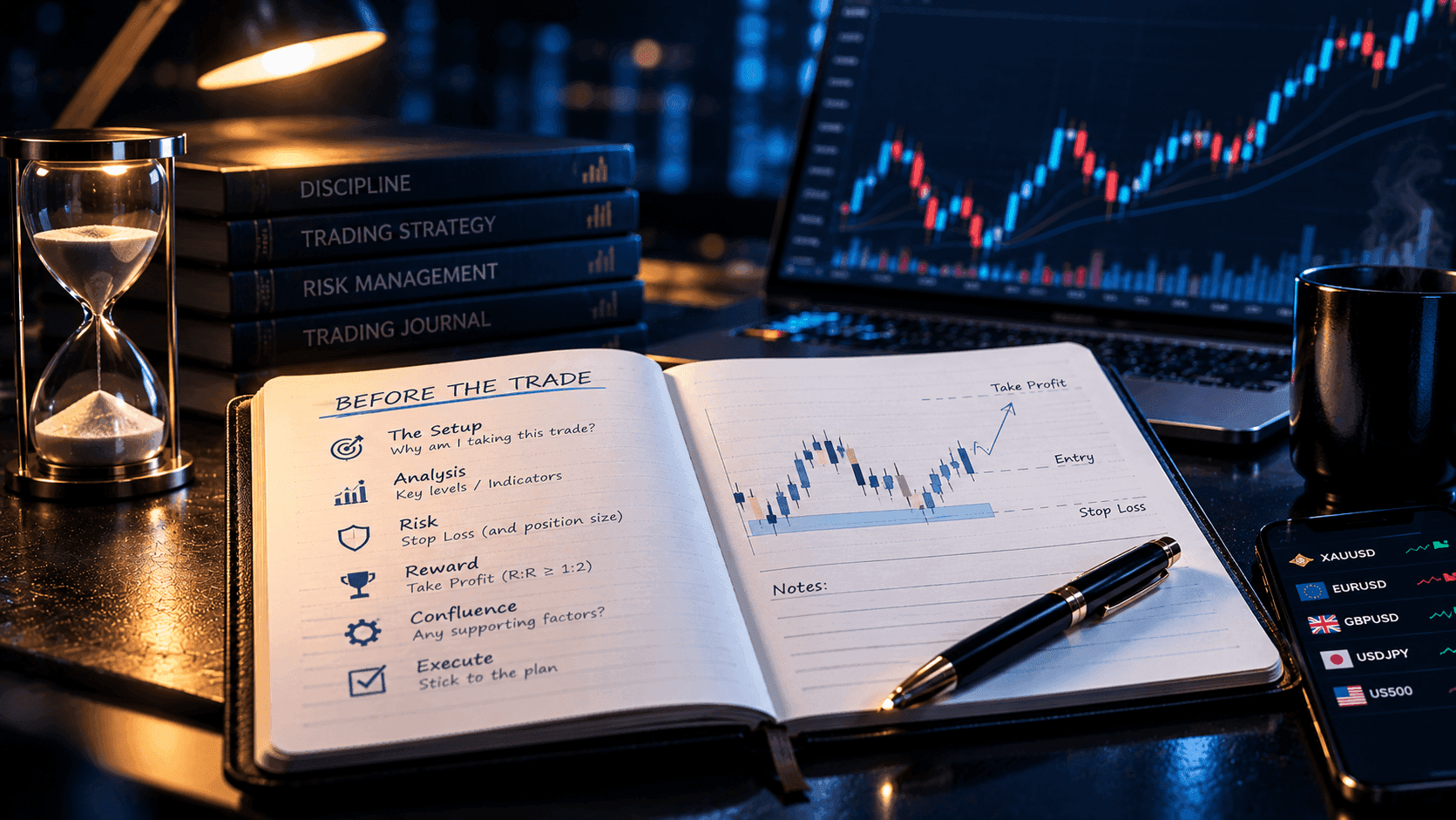
To combat the urge to overtrade, you must rely on strict risk management protocols. This removes the emotional weight from your decisions.
Use Leverage Responsibly
At My Maa Markets, we offer leverage up to 1:500. While this is a powerful tool for magnifying potential returns, it must be used with caution. High leverage in volatile conditions can deplete an account quickly if the market turns against you. Professional traders often use lower leverage during high volatility to protect their margin.
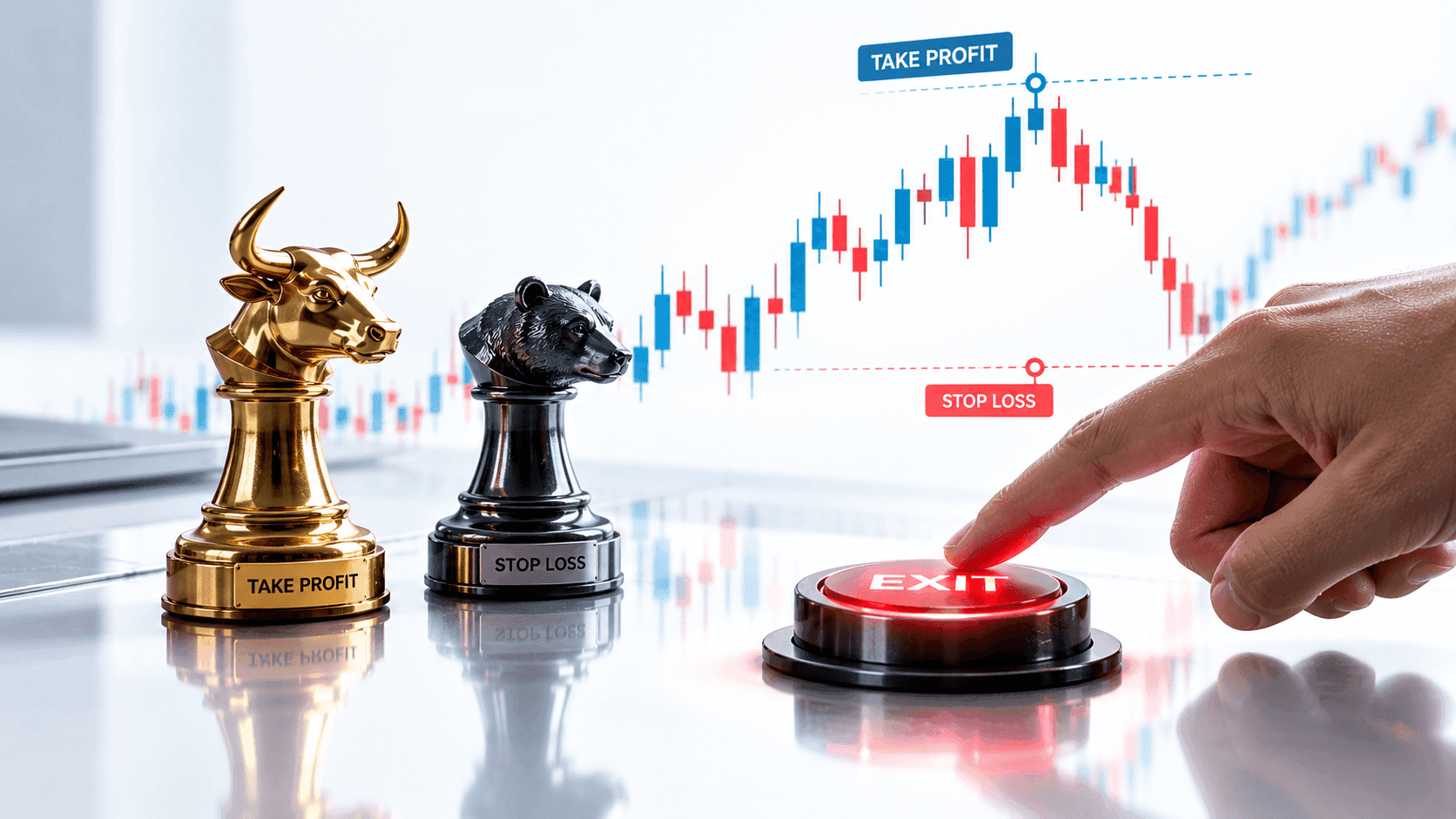
Set Non-Negotiable Stop-Losses
Never enter a volatile market without a predefined exit strategy. A stop-loss order ensures that if a trade goes wrong, your losses are capped at a level you are comfortable with. This prevents the emotional paralysis of holding onto a losing trade hoping it will turn around.
Leveraging the Right Tools
Technology is your ally in maintaining discipline. Instead of reacting to price action in real-time, use analytics to confirm your bias.
-
Wait for Confirmation: Don't chase the candle. Use live market analytics and charting tools on MetaTrader 5 (MT5) to verify that a trend is genuine before entering.
-
Automate Your Exits: Use Take Profit (TP) and Stop Loss (SL) orders so you don't have to make split-second decisions during price spikes.
Don't Let Low Costs Be an Excuse
My Maa Markets offers spreads from 0.0 pips and zero commissions on specific account types. While low costs are excellent for your bottom line, they can sometimes encourage overtrading because the "barrier to entry" for a new trade feels low.
Remember: Just because it is cheap to place a trade doesn't mean you should. A bad trade costs money regardless of the commission structure. Treat every trade as a business decision that requires a clear ROI, not just a low cost of execution.
Prioritising Capital Preservation
The goal of trading is not just to make money, but to keep it. In volatile markets, the most profitable trade is often the one you didn't make. By slowing down, sticking to your plan, and using a regulated broker like My Maa Markets, you ensure that your capital remains safe for the high-probability setups that truly matter.
Ready to trade with discipline? Open a live account today to access institutional-grade execution and advanced tools designed to help you navigate market volatility.