


Financial markets are dynamic ecosystems where volatility shifts constantly, yet many traders rely on static tools that fail to account for these changes. Understanding how to interpret market data that adjusts to current conditions is what separates reactive traders from proactive ones. This guide explores the concept of Adaptive Candlesticks—a sophisticated approach to technical analysis that helps filter market noise and highlight genuine trend reversals. By the end of this article, you will have a clear understanding of how to integrate this methodology into your trading strategy to potentially enhance your decision-making process.
1. What Are Adaptive Candlesticks and Why Do They Matter?
Standard Japanese candlesticks are time-based, meaning they close after a specific duration (e.g., 5 minutes or 1 hour), regardless of trading activity. Adaptive Candlesticks, however, are designed to evolve based on market volatility and price action rather than time alone. This concept often involves indicators or charting methods—such as Heikin Ashi or volatility-adjusted bars—that smooth out price fluctuations to present a clearer picture of the market trend.
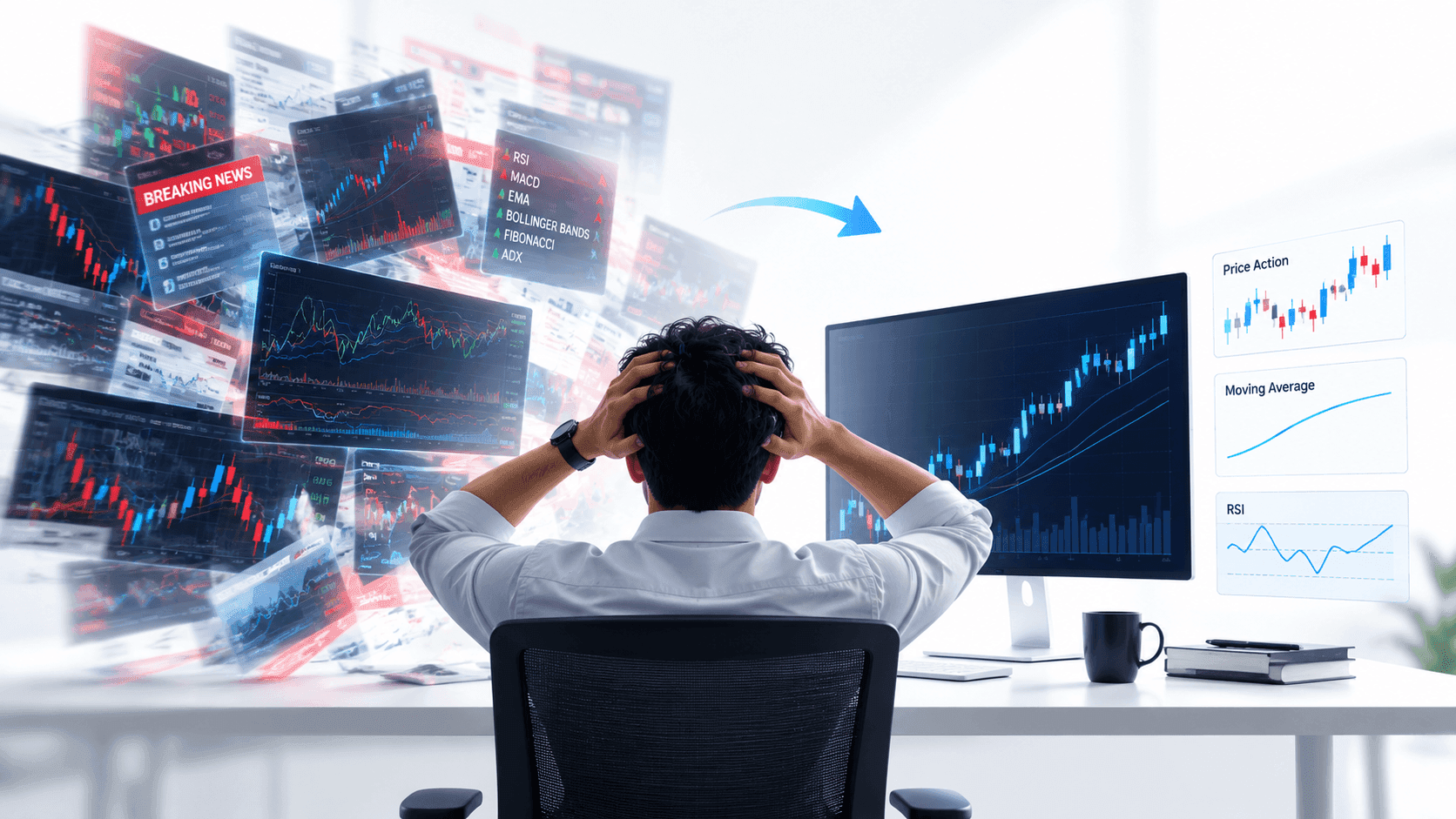
In periods of low volatility, standard candles can produce 'whipsaws' or false signals that lead traders into premature entries. Adaptive methods aim to filter out this insignificance. For instance, statistical data suggests that removing market noise can improve trend identification accuracy by reducing the frequency of false breakouts.
💡 Pragmatic Tip: When you first start exploring adaptive methods, compare them side-by-side with a standard candlestick chart on your MetaTrader 5 (MT5) platform. This visual comparison will help you identify exactly where the 'noise' is being filtered out.
2. The Strategic Advantages of Adaptive Analysis
Implementing an adaptive approach to your charting offers several distinct benefits, particularly for those trading volatile instruments like Gold (XAUUSD) or major Forex pairs.
Noise Reduction: By smoothing out price data, adaptive techniques make it easier to see the underlying trend without being distracted by minor, temporary pullbacks. Improved Entry and Exit Points: Adaptive signals often react faster to genuine volatility shifts and slower to insignificant choppy markets, helping to preserve capital during consolidation phases. Dynamic Support and Resistance: Unlike static horizontal lines, adaptive indicators often provide dynamic levels of support and resistance that move with the price, offering more relevant targets.
💡 Pragmatic Tip: Use adaptive candlesticks to identify the strength of a trend. If the candles remain a consistent colour and size without lower shadows (in an uptrend), it indicates strong momentum. Avoid betting against this momentum until a clear reversal signal appears.
3. Implementing Adaptive Candlesticks in Your Strategy
Integrating this concept into your routine on My Maa Markets’ MT5 platform is straightforward. Here is a step-by-step approach:
-
Select Your Asset: Choose an instrument with sufficient liquidity, such as EURUSD or Gold.
-
Apply Smoothing Indicators: On MT5, utilize indicators like Heikin Ashi or Average True Range (ATR) channels to interpret price action adaptively.
-
Define Your Parameters: Adjust the settings to match the volatility of the asset. For example, a highly volatile pair like GBPJPY may require different sensitivity settings than a stable pair like EURGBP.
-
Confirm with Volume: Ensure that price moves are supported by trading volume to validate the signal.
💡 Pragmatic Tip: Do not rely on a single indicator. Combine adaptive candlestick analysis with a momentum oscillator like the RSI (Relative Strength Index). If the adaptive candles show an uptrend but the RSI is showing divergence, proceed with caution.
4. Risk Management with Leveraged Products
While Adaptive Candlesticks can enhance market visibility, they do not eliminate risk. Trading CFDs and Margin FX involves leverage, which magnifies both potential profits and potential losses. It is vital to understand that a clearer chart does not guarantee a winning trade.
Effective risk management involves:
-
Position Sizing: Ensure your trade size correlates with your account balance.
-
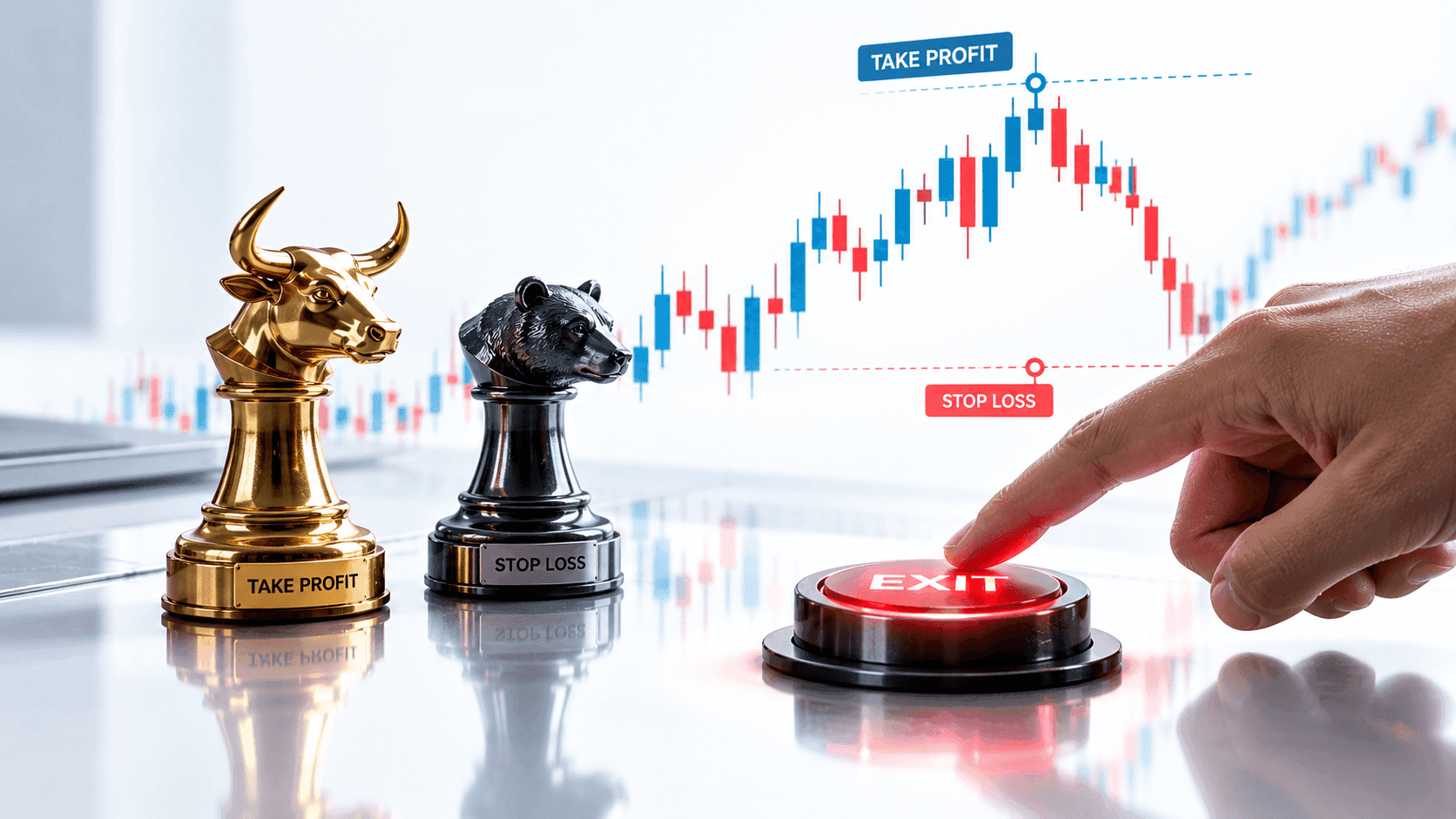
Stop Losses: Always place a stop loss. With adaptive strategies, consider placing stops below the most recent 'swing low' of the smoothed trend.
-
Capital Preservation: You should only trade with money you can afford to lose.
💡 Pragmatic Tip: A common rule of thumb among professional traders is the 1% rule—never risk more than 1% of your total account equity on a single trade. This ensures that a string of losses does not wipe out your capital.
5. Case Studies: Adaptive Candlesticks in Action
To demonstrate the effectiveness of this approach, let us look at theoretical market scenarios:
-
Scenario A: Gold Breakout During a major economic announcement, Gold prices often spike. A standard chart might show erratic long wicks, signalling confusion. An adaptive view, however, might smooth this data, revealing that the overall trend remains bullish despite the intraday volatility, allowing a trader to hold their position rather than panic-selling.
-
Scenario B: Forex Consolidation In a sideways market for EURUSD, standard candles might generate multiple 'buy' and 'sell' signals as price hovers around a moving average. Adaptive candlesticks would likely paint a series of neutral or smaller candles, indicating a 'no-trade' zone and saving the trader from incurring spread costs on low-probability setups.
💡 Pragmatic Tip: Review your past trades. Look at a losing trade where you were stopped out by market noise. Check if an adaptive view (like Heikin Ashi) would have kept you in the trade longer.
6. Accessing Professional Tools and Analytics
To effectively utilise adaptive strategies, you require a robust trading environment. My Maa Markets provides access to MetaTrader 5, the industry standard for advanced technical analysis.
-
275+ Instruments: Apply your strategy across Forex, Indices, Metals, and Stocks.
-
Zero Pips: With spreads starting from 0.0 pips, your technical levels are more accurate as they are not distorted by wide bid-ask spreads.
-
Institutional Execution: Fast execution speeds ensure that when your adaptive strategy signals an entry, you get the price you see.
💡Pragmatic Tip: Utilise the My Maa Markets demo account to test adaptive strategies risk-free before applying them to a live environment.
7. Regulatory Assurance and Safety
When employing advanced strategies, the security of your broker is paramount. My Maa Markets is regulated by the Financial Services Commission (FSC) of Mauritius. This ensures:
-
Segregated Funds: Your capital is kept separate from company operational funds.
-
Transparency: We adhere to strict financial reporting standards.
-
Fair Trading: You are trading in a regulated environment designed to protect client interests.
💡Pragmatic Tip: Always verify your broker's regulatory license number on the regulator's official website to ensure you are dealing with a legitimate entity.
8. Harnessing the Power of Adaptive Trading
The financial markets wait for no one, and volatility is a permanent feature of global trading. By shifting from static analysis to Adaptive Candlesticks, you position yourself to interpret market sentiment with greater clarity and confidence. Whether you are scalping the markets or looking for long-term trends, the ability to filter noise and focus on price action is invaluable.
If you are ready to apply these advanced concepts to the live markets, equip yourself with a platform that supports your growth.
Open a Live Account with My Maa Markets Today
Risk Disclaimer: CFDs and Margin FX are leveraged products that carry a high level of risk to your capital. Trading is not suitable for everyone and may result in you losing substantially more than your initial investment. You do not own, or have any right to the underlying assets. You should only trade with money you can afford to lose.