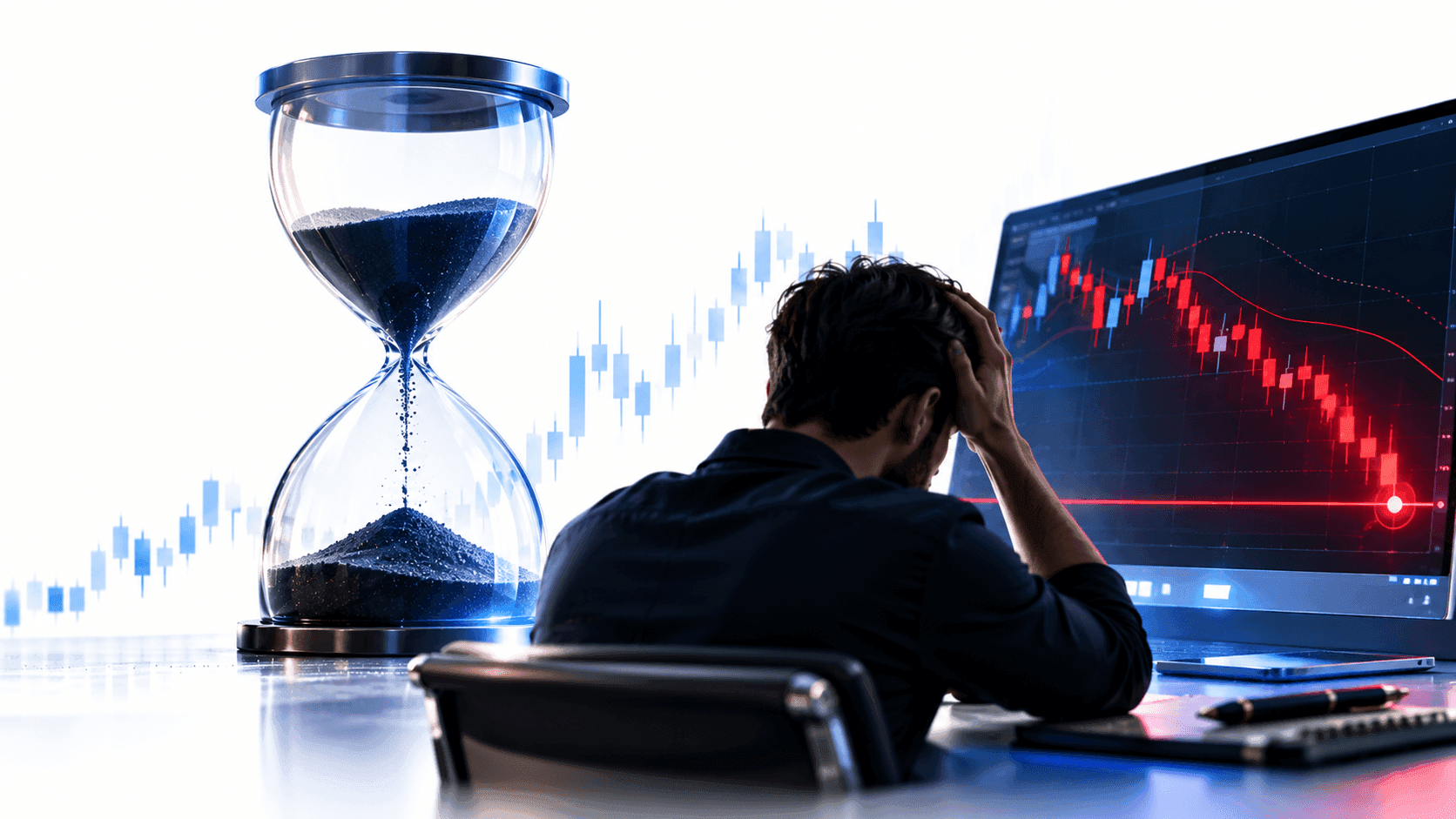



Embarking on a journey into the world of financial markets can feel like learning a new language. With terms like pips, leverage, and indices, it's easy to feel overwhelmed. However, understanding these markets is the first step toward building a diversified investment strategy and potentially achieving your financial goals. The key is to start with a solid foundation of knowledge.
This guide provides a comprehensive overview of four major asset classes: Forex, Stocks, Indices, and Metals. We will explore what each market entails, how they operate, and the opportunities they present. Whether you are completely new to trading or looking to expand your understanding, this article will equip you with the essential information you need.
With a trusted and regulated platform like My Maa Markets, you can access these global markets securely and efficiently. Our goal is to empower you with both the knowledge and the tools to navigate your trading journey with confidence.
Understanding Forex Trading
The Foreign Exchange market, or Forex, is the largest and most liquid financial market in the world. At its core, Forex trading is the act of buying one currency while simultaneously selling another. Currencies are always traded in pairs, like the Euro and the U.S. Dollar (EUR/USD) or the British Pound and the Japanese Yen (GBP/JPY).
When you trade Forex, you are speculating on the future direction of a currency's value. If you believe a currency will strengthen against another, you buy that pair. If you think it will weaken, you sell. The market operates 24 hours a day, five days a week, moving across different international time zones, which offers flexibility for traders around the globe.
Key Forex Terms for Beginners
-
Currency Pairs: Currencies are quoted in pairs. The first currency is the "base" currency, and the second is the "quote" currency. The price shows how much of the quote currency is needed to buy one unit of the base currency.
-
Pips: A "pip" stands for "percentage in point" and is the smallest price move that a given exchange rate can make. For most currency pairs, one pip is equal to 0.0001. It's the standard unit for measuring profits or losses.
-
Leverage: Leverage allows you to control a large position with a small amount of capital. For example, with a 1:500 leverage, you can control a $50,000 position with just $100 of your own money. At My Maa Markets, we offer leverage up to 1:500. While leverage can magnify profits, it's crucial to understand that it can also amplify losses, making risk management essential.
Benefits of Forex Trading
-
High Liquidity: The enormous volume of daily trades means there are always buyers and sellers, allowing you to enter and exit positions quickly at fair market prices.
-
24/5 Market Access: The Forex market never sleeps during the week, providing ample opportunities to trade at any time that suits your schedule.
-
Low Transaction Costs: Forex brokers like My Maa Markets often offer very tight spreads (the difference between the buy and sell price) and zero commissions on certain account types.
Exploring the Stock Market
When you buy a stock (also known as a share or equity), you are purchasing a small piece of ownership in a publicly-traded company. The stock market is where these shares are bought and sold. As a shareholder, you are entitled to a portion of the company's profits and have a claim on its assets.
Trading stocks involves speculating on a company's future performance. If the company does well, the value of its stock may increase, leading to a capital gain when you sell. Some companies also distribute a portion of their profits to shareholders in the form of dividends.
How to Invest in Stocks with My Maa Markets
With MyMa Markets, you can trade stocks of some of the world's largest companies, such as Apple, Amazon, and Tesla. Instead of purchasing the shares outright, you can trade them as Contracts for Difference (CFDs), which allows you to speculate on price movements without owning the underlying asset. This method provides flexibility and the ability to profit from both rising and falling markets.
Potential of Stock Trading
-
Capital Appreciation: The primary goal for most stock traders is to buy low and sell high. A company's growth, positive earnings reports, or favorable industry trends can drive its stock price up.
-
Dividends: Some established companies share their earnings with investors through regular dividend payments, providing a steady income stream in addition to potential capital gains.
Delving into Indices Trading
An index is a statistical measure of the performance of a group of stocks that represents a particular market or a sector of that market. For example, the S&P 500 represents the 500 largest publicly-traded companies in the United States, while the FTSE 100 tracks the 100 largest companies on the London Stock Exchange.
Instead of buying individual stocks, you can trade an index, which gives you exposure to the collective performance of all the companies within it. This is a popular form of indices trading for those looking to speculate on the broader economic health of a country or industry.
Benefits of Trading Indices
-
Built-in Diversification: Trading a single index provides immediate diversification across many companies and sectors. This helps spread risk, as a downturn in one company's stock is less likely to have a significant impact on the overall index value.
-
Exposure to Entire Markets: Indices offer a straightforward way to take a position on the general direction of a market. If you are optimistic about the U.S. economy, you might buy the S&P 500. If you are pessimistic, you could sell it.
-
Reduced Research Time: Instead of analyzing dozens of individual companies, you can focus on macroeconomic factors that affect the entire market, such as interest rates, inflation, and political events.
My Maa Markets provides access to major global indices, allowing you to trade on the performance of the world's leading economies.
Commodities Trading: Focus on Metals
Commodities are raw materials or primary agricultural products that can be bought and sold. They are often grouped into categories like energy (crude oil, natural gas), agriculture (wheat, coffee), and metals. Precious metals like gold and silver have been valued for centuries and remain popular assets for traders today.
Metals, particularly gold, are often seen as "safe-haven" assets. During times of economic uncertainty or market volatility, investors tend to flock to gold, which can drive its price up.
Factors Influencing Metal Prices
-
Supply and Demand: The availability of metals from mining and recycling versus industrial and investment demand is a primary price driver.
-
Economic Indicators: Inflation rates, interest rate decisions, and currency fluctuations, especially of the U.S. dollar, heavily influence metal prices.
-
Geopolitical Events: Political instability and global crises can increase demand for safe-haven assets like gold.
At My Maa Markets, you can trade precious metals like Gold (XAU) and Silver (XAG) against major currencies, offering another avenue for diversification and speculation.
The Importance of Risk Management in Trading
No matter which market you choose, trading for beginners must start with a solid understanding of risk management. Financial markets can be volatile, and it is possible to lose money. However, with disciplined strategies, you can protect your capital and trade more sustainably.
Key Risk Management Strategies
-
Set Stop-Loss Orders: A stop-loss is an order placed with your broker to sell an asset when it reaches a certain price. This helps limit your potential loss on a single trade.
-
Manage Leverage Wisely: While high leverage can be tempting, it significantly increases risk. Beginners should start with lower leverage until they are comfortable with their trading strategy.
-
Diversify Your Portfolio: Don't put all your capital into a single asset or market. Spreading your investments across different classes like Forex, stocks, and metals can help mitigate risk.
MyMa Markets supports your risk management efforts by providing live market analytics and advanced trading tools to help you make informed decisions.
Getting Started with My Maa Markets
Choosing the right broker is a critical step in your trading journey. My Maa Markets is a regulated broker (FSC Mauritius) committed to providing a secure and transparent trading environment.
Why Choose My Maa Markets?
-
Competitive Spreads: Trade with spreads from as low as 0.0 pips.
-
Zero Deposit Fees: Fund your account without worrying about extra charges.
-
Fast Withdrawals: Access your funds quickly, with withdrawals processed efficiently.
-
Advanced Platform: Utilize the globally recognized MetaTrader 5 (MT5) platform with over 275+ trading instruments.
Your Path to Live Trading
- Open a Demo Account: The best way to begin is with a risk-free demo account. This allows you to familiarize yourself with the platform, test your strategies, and experience live market conditions using virtual funds.
- Educate Yourself: Take advantage of our educational resources, including e-books and market analysis, to build your knowledge base.
- Transition to a Live Account: Once you feel confident, you can open a live trading account in just a few minutes.
Complete the registration, verify your identity, and fund your account to start trading.
Your Future in the Financial Markets
The financial markets offer a world of opportunity, but success requires education, discipline, and the right tools. By understanding the fundamentals of Forex, stocks, indices, and metals, you are already on the right path. Each market has unique characteristics, and exploring them can help you build a trading strategy that aligns with your financial goals and risk tolerance.
Ready to take the next step? My Maa Markets is here to be your trusted partner. We provide the platform, support, and security you need to navigate the global markets with confidence.
Start your journey today by opening a free demo account and explore the exciting world of live trading opportunities with My Maa Markets.