

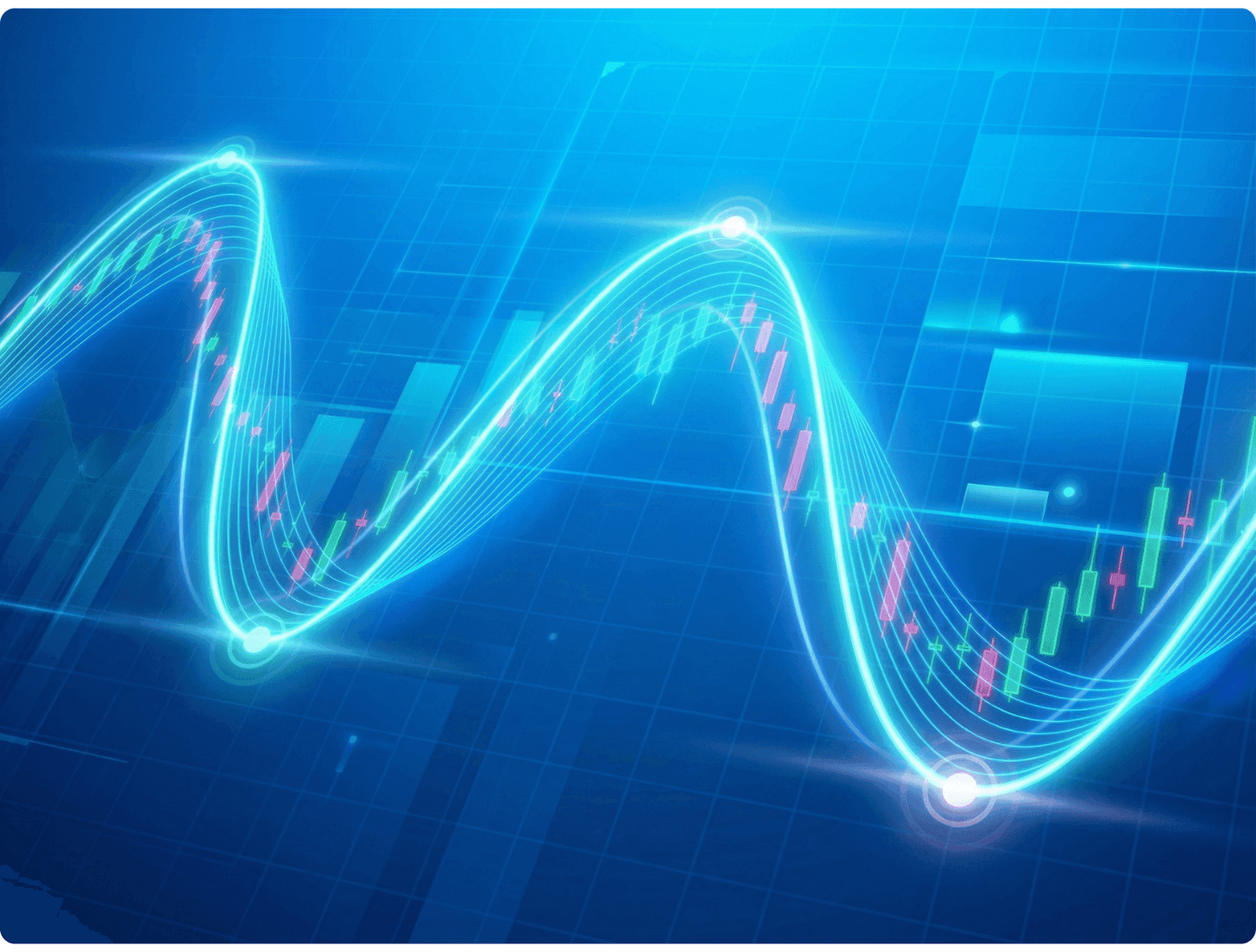
The financial markets are often described as a chaotic beast—unpredictable, volatile, and reactive to the slightest whisper of geopolitical news. Yet, beneath the noise of daily price fluctuations, there exists a heartbeat. It is a rhythmic, recurring pattern driven by human behaviour, weather cycles, and corporate schedules. This is the world of seasonal parameters.
For many traders, particularly those relying solely on technical indicators like Moving Averages or RSI, the calendar is an afterthought. However, ignoring seasonal data in 2024 is a strategic oversight. In an era where algorithmic trading dominates, understanding when markets historically move is just as critical as understanding why they move.
At My Maa Markets, we believe that true trading authority comes from synthesising technical precision with fundamental awareness. In this detailed analysis, we explore how integrating seasonal parameters can refine your edge, the pitfalls of outdated anomalies, and how to manage risk when the calendar clashes with global volatility.
The Anatomy of a Seasonal Trade
Seasonal trading is not about superstition; it is about supply and demand dynamics that recur at specific times of the year. These cycles are often driven by tangible, fundamental factors that are difficult to arbitrage away completely.
To trade seasonally is to accept a simple premise: history does not always repeat itself, but it often rhymes.
The Agricultural Floor
Perhaps the most reliable seasonal parameters exist within the commodities sector. Unlike currency pairs, which are driven by complex macroeconomic policies, agricultural assets are bound by biology.
- Planting and Harvesting: Research confirms that agricultural commodities typically experience price fluctuations tied rigidly to planting and harvesting seasons. For instance, grain prices often dip during harvest time (due to a flood of supply) and rise during the planting and growing seasons (due to uncertainty regarding yield).
The Opportunity: For traders diversifying their portfolios, these patterns offer a structured baseline that pure technical analysis often misses.
The Retail Rush
Another robust seasonal parameter is the performance of the retail sector in the fourth quarter. Historical analysis indicates that retail stocks and indices with heavy retail exposure often outperform in Q4.
-
The Driver: This is driven by the "Golden Quarter"—the surge in consumer spending encompassing Black Friday, Cyber Monday, Diwali in India, and Christmas globally.
-
The Strategy: Smart traders anticipate this volume increase, positioning themselves before the earnings reports that reflect this spending are released in Q1.
The Death of the "January Effect" and the Rise of Efficiency
For decades, the "January Effect"—a hypothesis that stocks (especially small caps) tend to rise in January—was considered a golden rule. The theory was based on tax-loss harvesting in December followed by a buying spree in the new year.
However, expert analysis suggests that such obvious anomalies have diminished due to increased market efficiency. As information becomes instantly available and algorithmic trading fronts-runs these known patterns, the "edge" of the January Effect has eroded.
The Lesson for the Modern Trader:
You cannot rely on the "rules" of the 1980s. Today’s seasonal parameters require a more nuanced approach. Instead of buying blindly in January, sophisticated traders are looking at:
-
Energy Cycles: Economic data shows a strong correlation between energy consumption and seasonal weather changes. Natural gas often sees volatility in anticipation of winter in the Northern Hemisphere, or during extreme summer heatwaves.
-
Fiscal Year-Ends: Corporate repatriation of funds at the end of fiscal years (which varies by country) can cause predictable liquidity squeezes in specific currency pairs.
The Limits of Technical Analysis
A common pitfall we observe among new traders is an over-reliance on technical analysis to predict seasonal shifts.
Technical indicators are, by definition, lagging. They mathematically process past price data to visualize trends. While invaluable for entry and exit timing, they cannot predict a fundamental seasonal shift before it appears on the chart.
-
The Blind Spot: A Moving Average Crossover might tell you a trend has started, but it won't tell you that the trend is likely to reverse next week due to a historical seasonal ceiling.
-
The Solution: Traders must adopt a hybrid model. Use seasonal parameters to identify the bias (e.g., "Gold tends to rise in periods of high inflation or specific months"), and use technical analysis to time the trade execution.
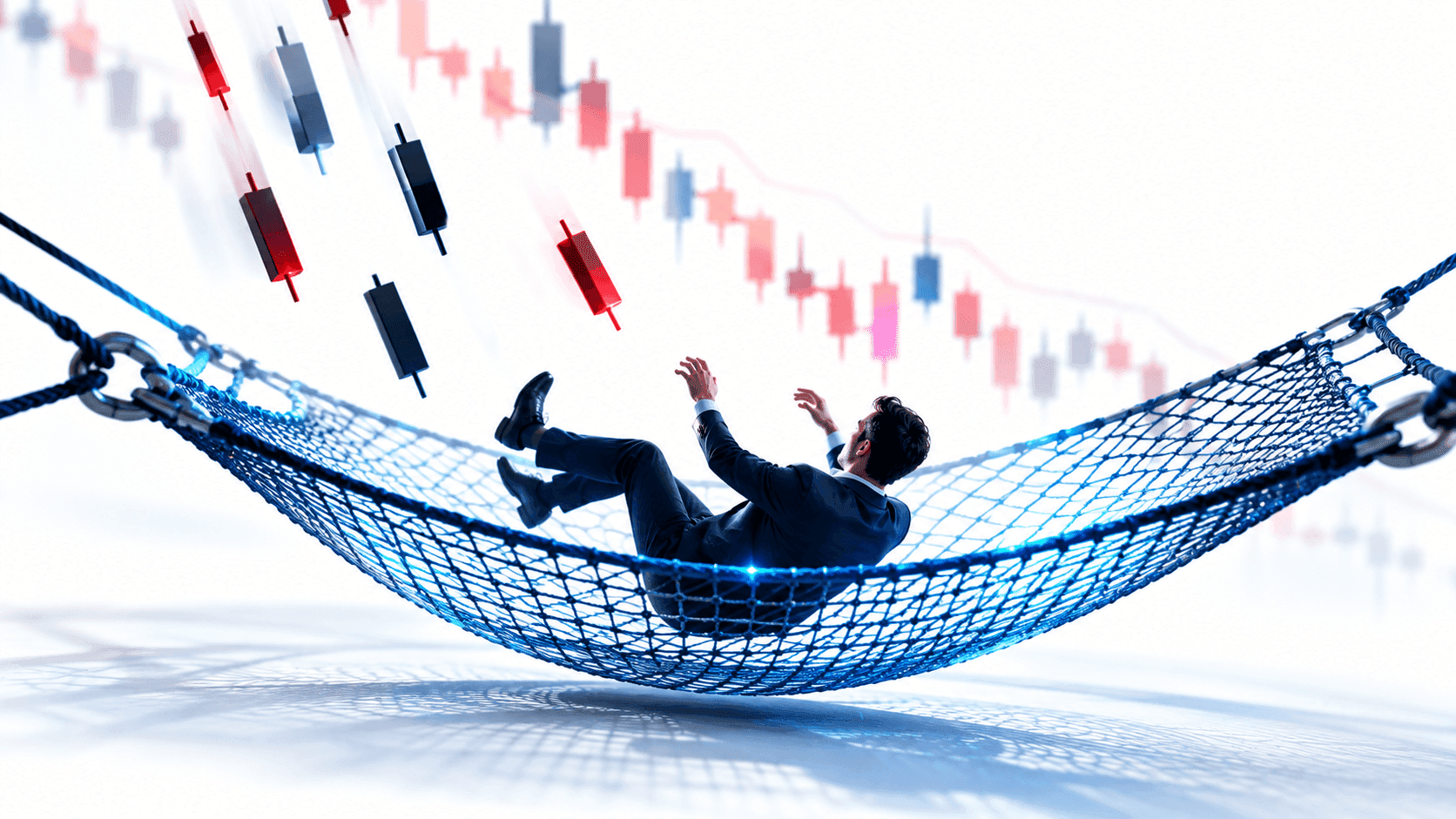
Risk Management: The Safety Net for Seasonal Volatility
One of the key challenges needing expert analysis is managing risk when leveraging seasonal strategies. Just because Gold has risen in August for the last five years does not guarantee it will do so this year. If you are trading with leverage—My Maa Markets offers up to 1:500—a seasonal bet that goes wrong can be costly without rigorous risk protocols.
1. Backtesting is Non-Negotiable
Before deploying capital based on a seasonal thesis, you must backtest.
-
Does the pattern hold up over 10 years? 20 years?
-
Did it work during the 2008 crisis or the 2020 pandemic?
-
Insight: Backtesting results reveal that seasonal strategies can yield higher returns, but they require rigorous filtration. If a pattern fails during high volatility, it is not a strategy; it is a coincidence.
2. Position Sizing
Never go "all in" on a seasonal date. As outlined in our trading concepts guide, standard practice suggests risking no more than 1-2% of your account balance per trade. Seasonality should act as a confluence factor—increasing your confidence in a trade—not the sole reason for taking it.
3. The Macro Trump Card
The greatest threat to seasonal trading is the "Black Swan" or a massive macro-economic shift. A seasonal tendency for oil to rise in summer will be instantly invalidated if a global recession crushes demand or a geopolitical conflict erupts.
- Rule of Thumb: Macroeconomics always trumps seasonality. If the fundamental economic landscape shifts (e.g., an unexpected interest rate hike), ignore the calendar and respect the price action.
Regulatory Compliance and Security
In the pursuit of profit, never neglect the safety of your capital. Regulatory changes can impact seasonal trading activities, particularly regarding leverage limits and reporting.
Trading with an FSC-regulated broker like My Maa Markets ensures that while you navigate the volatility of seasonal parameters, your funds remain segregated and secure. We adhere to strict operational standards, providing a stable environment where you can focus on analysis rather than the safety of your deposit.
Conclusion: The Calendar is Your Compass, Not Your Engine
Seasonal parameters offer a fascinating lens through which to view the markets. They provide context to the chaos, offering a probability map based on human and environmental cycles. From the harvest cycles of agricultural commodities to the consumer frenzies of Q4, these patterns are real.
However, they are not infallible. The modern trader must navigate a landscape where historical anomalies like the January Effect are fading, replaced by complex correlations between weather, energy, and global supply chains.
To succeed, you must:
-
Validate seasonal patterns with rigorous backtesting.
-
Combine seasonal bias with technical execution.
-
Protect your capital with disciplined position sizing and stop-losses.
Knowledge is your greatest trading asset. Are you ready to look beyond the charts and understand the rhythms that drive the global economy?
Explore Seasonal Trading Strategies
Equip yourself with the right tools to track these patterns. Join MyMaa Markets today to access advanced charting on MT5, institutional-grade execution, and a library of educational resources designed to turn beginners into professionals.
Start Trading with MyMaa Markets
Risk Warning: Trading involves significant risk and may not be suitable for all investors. You should carefully consider your investment objectives, experience level, and risk appetite. Only invest money you can afford to lose. Past performance, including seasonal patterns, is not indicative of future results.