


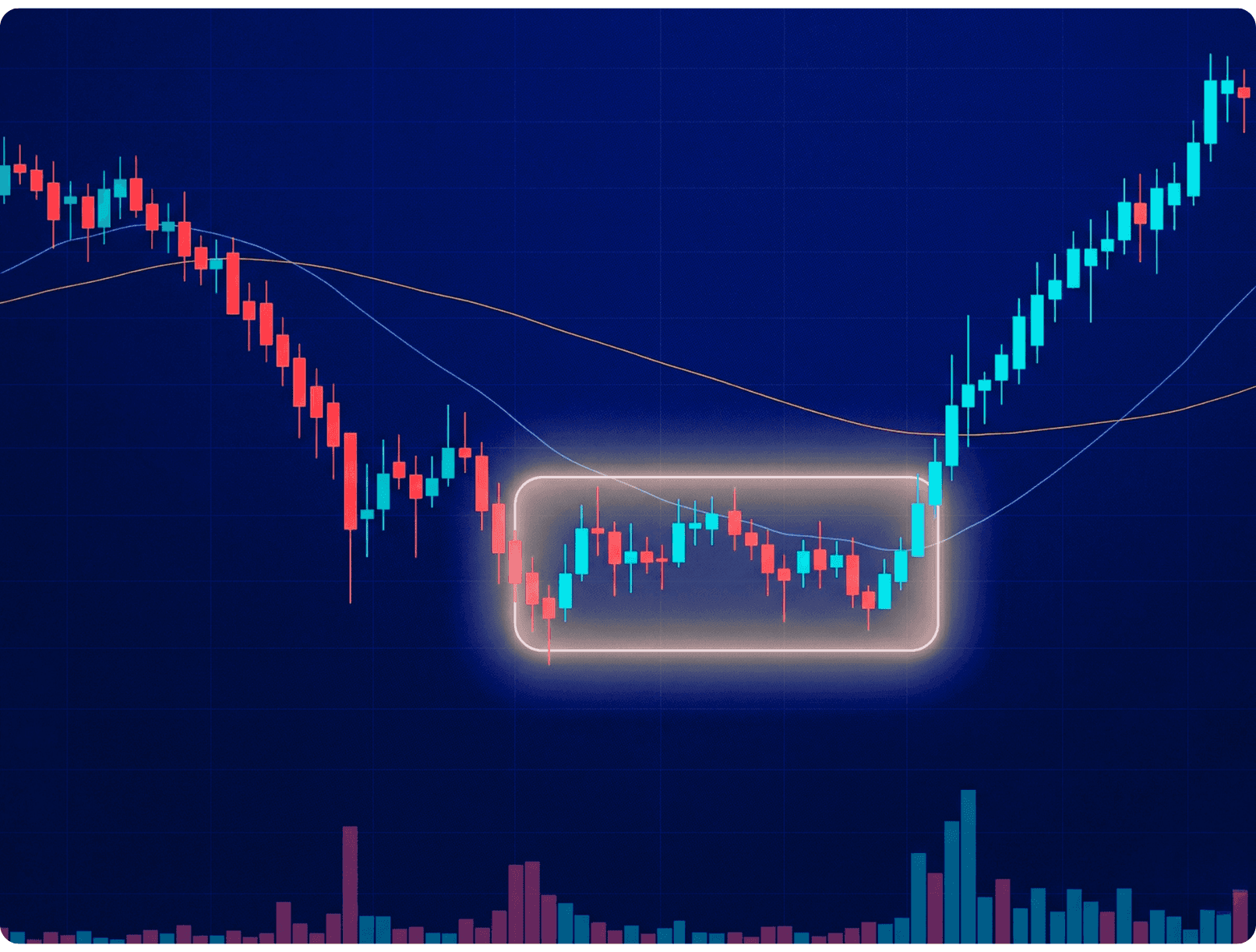
From Benjamin Graham to Warren Buffett, history’s most renowned investors often share a common philosophy: they do not follow the herd. Instead, they practise value investing—the art of finding high-quality assets that the market has undervalued. The core premise is simple yet powerful: buying an asset for less than its intrinsic value to create a "margin of safety."
However, implementing this strategy in today's fast-paced digital markets requires more than just intuition; it demands a disciplined approach to analysis and risk management. Whether you are a beginner looking to understand the basics or an experienced trader seeking to refine your strategy on the My Maa Markets platform, understanding the mechanics of value investing is crucial.
Here are five essential strategies to help you navigate the markets with a value-oriented mindset.
1. Deep Dive into Financial Health
Value investing is not merely about buying cheap stocks; it is about buying good businesses at a discount. To distinguish a bargain from a "value trap" (a stock that is cheap for a valid reason), you must look beyond the price tag and analyse the company's fundamentals.
This involves scrutinising financial statements to assess the company's true health. Look for consistent earnings growth, manageable debt levels, and strong cash flow. A company with a robust balance sheet is better equipped to weather economic downturns—a key component of the "margin of safety" principle. On the My Maa Markets MT5 platform, you can access detailed financial data and news feeds to help you evaluate whether a company’s fundamentals justify an investment.
2. Spotting Opportunities with Key Ratios
Once you have identified a solid company, the next step is determining if it is undervalued. Value investors rely heavily on financial ratios to gauge value.
-
Price-to-Earnings (P/E) Ratio: This compares a company's share price to its earnings per share. A lower P/E ratio relative to industry peers can indicate that the stock is undervalued.
-
Price-to-Book (P/B) Ratio: This compares the market value of a stock to its book value (assets minus liabilities). A P/B ratio under 1.0 can sometimes imply the stock is trading for less than the value of its assets.
By using the advanced analytical tools available on our dashboard, you can screen for these ratios across over 275 trading instruments, helping you identify potential opportunities efficiently.
3. Navigating CFDs and Leverage
While traditional value investing is often associated with long-term share ownership, many modern traders access these markets via Contracts for Differences (CFDs). It is vital to understand the distinction and the risks involved.
CFDs allow you to speculate on price movements without owning the underlying asset. This often involves leverage, which allows you to control a large position with a smaller initial deposit. While leverage can amplify returns, it also amplifies losses. Regulatory data suggests that a significant percentage of retail investor accounts lose money when trading CFDs. Therefore, if you are applying value investing principles through CFDs, you must be hyper-aware that leverage adds a layer of complexity and risk that traditional "buy and hold" investors do not face.
4. The Power of Patience and Diversification
Benjamin Graham famously said, "In the short run, the market is a voting machine but in the long run, it is a weighing machine." Value investing is inherently a long-term strategy. The market may take months or even years to correct the price of an undervalued asset.
Patience is your greatest ally. Furthermore, because even the best analysis can be wrong, diversification is non-negotiable. Do not put all your capital into a single "undervalued" stock. By spreading your investments across different sectors and asset classes—such as Indices, Metals, and Forex available on My Maa Markets—you reduce the impact of a single asset performing poorly.
5. Prioritise Robust Risk Management
Regardless of how undervalued an asset appears, capital preservation should always be your priority. Trading involves significant risk, and you should never invest money you cannot afford to lose. Effective risk management involves setting clear boundaries before you enter a trade.
-
Stop-Loss Orders: Use these to automatically close a position if the price moves against you, limiting your potential downside.
-
Position Sizing: Ensure that no single trade represents too large a portion of your total portfolio.
At My Maa Markets, we support informed decision-making by providing institutional-grade execution and educational resources. Using these tools to manage your exposure is just as important as finding the right trade.
Conclusion
Value investing is a disciplined approach that combines rigorous fundamental analysis with a patient, long-term outlook. By focusing on financial health, utilising key valuation ratios, and strictly managing the risks associated with leverage and CFDs, you can make more informed trading decisions.
Remember, the goal is not just to participate in the market, but to understand it.
Ready to apply these principles? Open an account with My Maa Markets today to access robust analysis tools, competitive spreads from 0.0 pips, and 24/7 expert support.