


For many new traders, the term 'volatility' conjures up images of chaotic charts and rapid losses. It is often viewed as a dangerous force to be avoided. However, seasoned professionals know that without volatility, the markets would be stagnant, offering little opportunity for profit. Volatility is simply the rate at which the price of an asset increases or decreases for a set of returns.
Navigating these price swings requires a steady hand and a robust strategy. Whether you are trading forex pairs or commodities like Gold, understanding market movement is crucial for long-term success. In this guide, we will explore the dual nature of volatility and provide practical strategies to turn these market fluctuations into actionable opportunities.
1. Volatility as a Double-Edged Sword
Volatility is effectively a measure of risk and reward. In highly volatile markets, prices move vigorously, which can result in significant profit potential over a short period. For instance, assets like cryptocurrencies or exotic forex pairs often exhibit high variance, attracting traders looking for quick gains.
However, this potential comes with equal risk. If the market moves against you with high velocity, losses can accumulate just as quickly as profits. It is essential to view volatility not as an enemy, but as a neutral market characteristic that amplifies whatever trading decision you make—good or bad.
2. How Volatility Impacts Trading Decisions
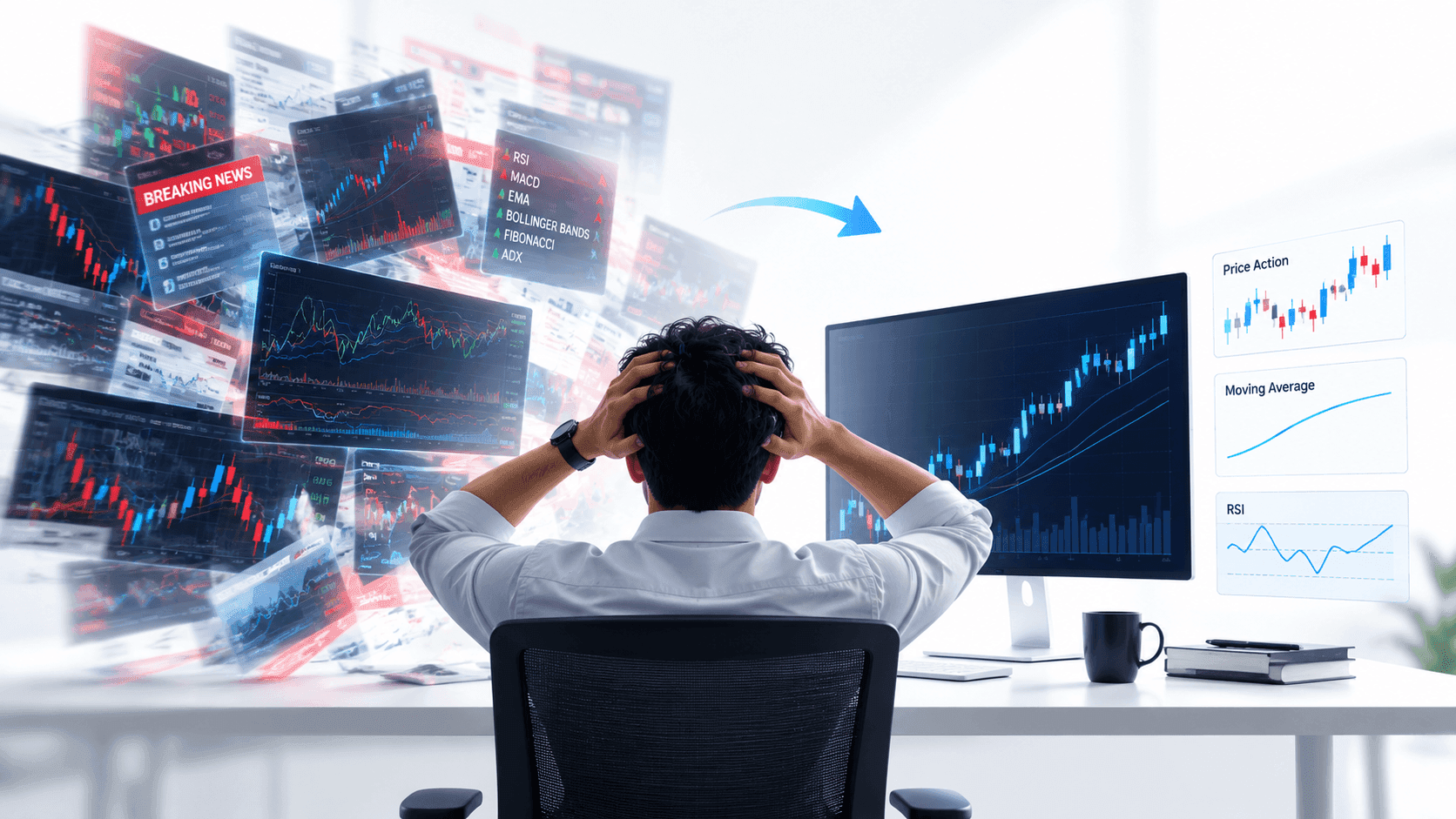
When market prices swing wildly, the psychological impact on a trader can be profound. High volatility often triggers emotional responses, leading to impulsive decisions like 'panic selling' during a dip or 'FOMO' (Fear Of Missing Out) buying during a rally.
To navigate this, successful traders rely on data rather than emotion. They analyse historical volatility to set realistic expectations. For example, if EUR/USD typically moves 50 pips a day, but is currently moving 150 pips due to an economic announcement, a disciplined trader adjusts their strategy rather than reacting blindly to the speed of the movement.
3. Managing Risk in Volatile Markets
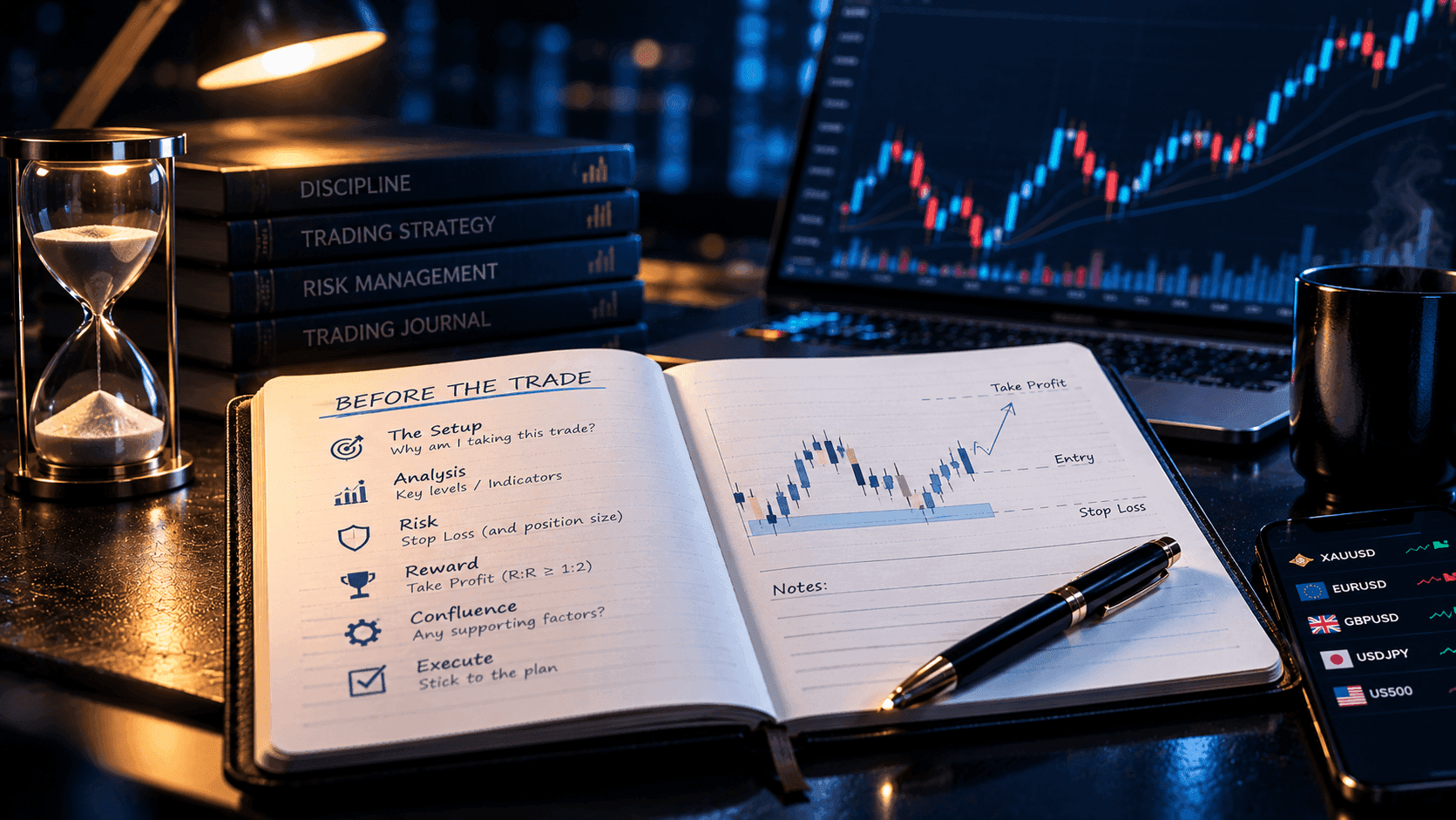
The golden rule of trading in volatile conditions is capital preservation. You must protect your downside to stay in the game long enough to capture the upside. This involves strict adherence to risk management protocols.
-
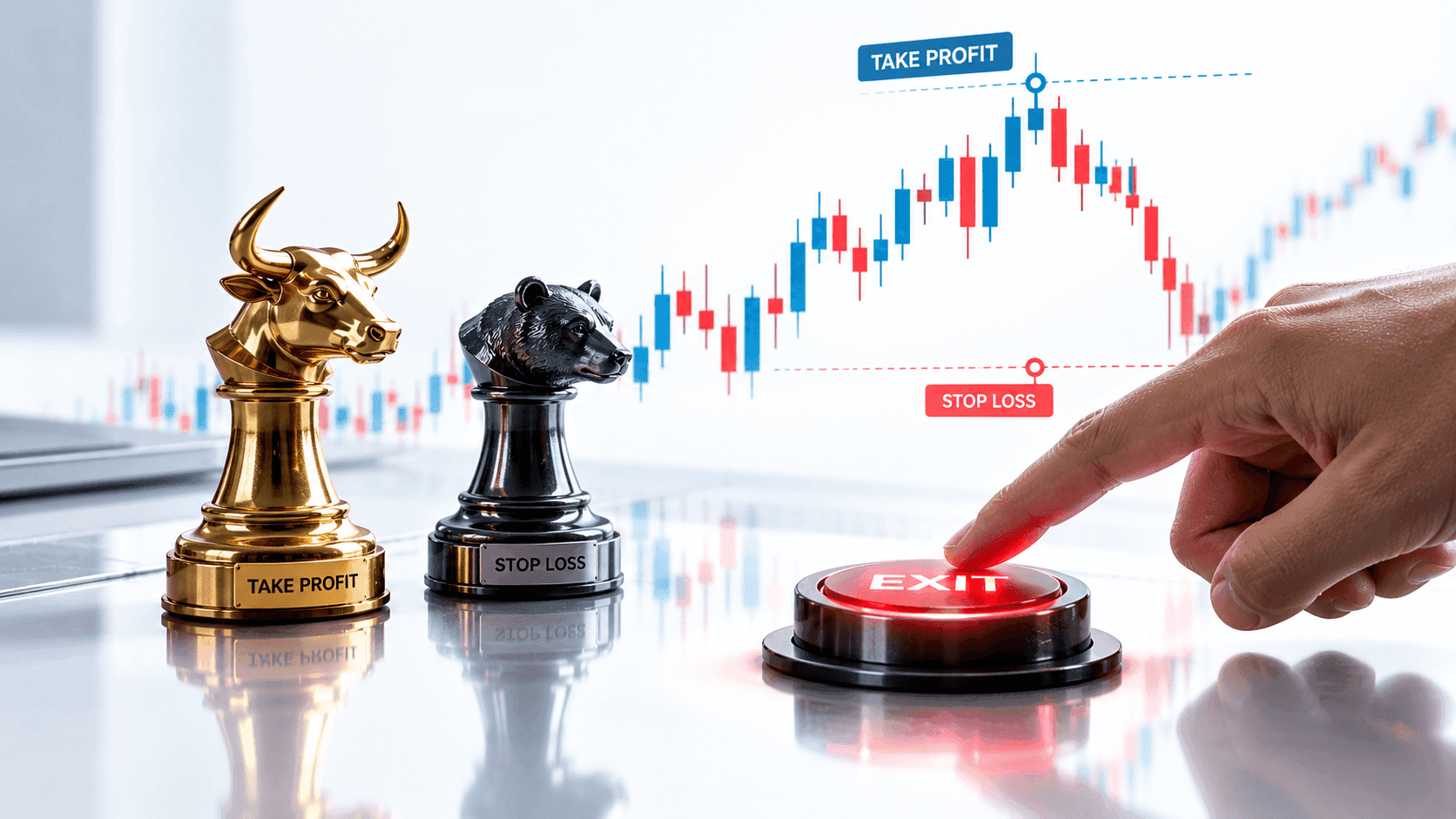
Use Stop-Loss Orders: Always define your exit point before entering a trade. In volatile markets, consider widening your stops slightly to avoid being stopped out by market noise, while reducing your position size to maintain the same risk percentage.
-
Position Sizing: Never risk more than 1-2% of your account capital on a single trade. If volatility increases, reduce your position size to ensure a sudden spike doesn't wipe out a significant portion of your equity.
4. Using Leverage Wisely in Volatile Conditions
Leverage allows you to control a large position with a relatively small amount of capital. At My Maa Markets, we offer access to extensive leverage of up to 1:500. While this can magnify your potential returns, it also magnifies your risk—especially when volatility is high.
In a stable market, high leverage might feel safer. But in a volatile market, a small percentage move against your position can lead to a margin call.
Tip: When trading during high-impact news events or market uncertainty, consider effectively lowering your leverage by trading smaller lot sizes. This ensures that the 1:500 leverage works in your favour as a tool for efficiency, rather than a liability.
5. The Role of Spreads and Commissions
In fast-moving markets, the cost of trading becomes a critical factor. When volatility spikes, liquidity providers may widen spreads, which increases your transaction costs. This can eat into your profits, particularly for day traders and scalpers who rely on small price movements.
Choosing a broker with competitive pricing is essential. My Maa Markets offers spreads starting from 0.0 pips, ensuring that you enter and exit trades at the best possible price levels. Furthermore, our Standard and Trader accounts offer zero commissions, allowing you to execute your strategy without worrying about hidden costs eroding your margins during volatile sessions.
6. The Importance of Regulatory Compliance
Volatility isn't just about price; it can also test the stability of your broker. During times of extreme market stress, you need the assurance that your funds are secure and that your broker operates with transparency.
Trading with an unregulated entity adds an unnecessary layer of risk. My Maa Markets is fully regulated by the Financial Services Commission (FSC) of Mauritius. This regulation ensures that we adhere to strict financial standards, segregating client funds and maintaining capital adequacy. When the markets are turbulent, knowing your broker is safe, secure, and regulated allows you to focus entirely on your trading decisions.
Embracing Volatility with Informed Strategies
Volatility is an inherent part of the financial markets. It is neither inherently good nor bad; it is simply the landscape in which we operate. By understanding the mechanics of price movements, managing your leverage and risk, and partnering with a trusted, regulated broker, you can navigate these waters with confidence.
Ready to test your strategies in the global markets?